
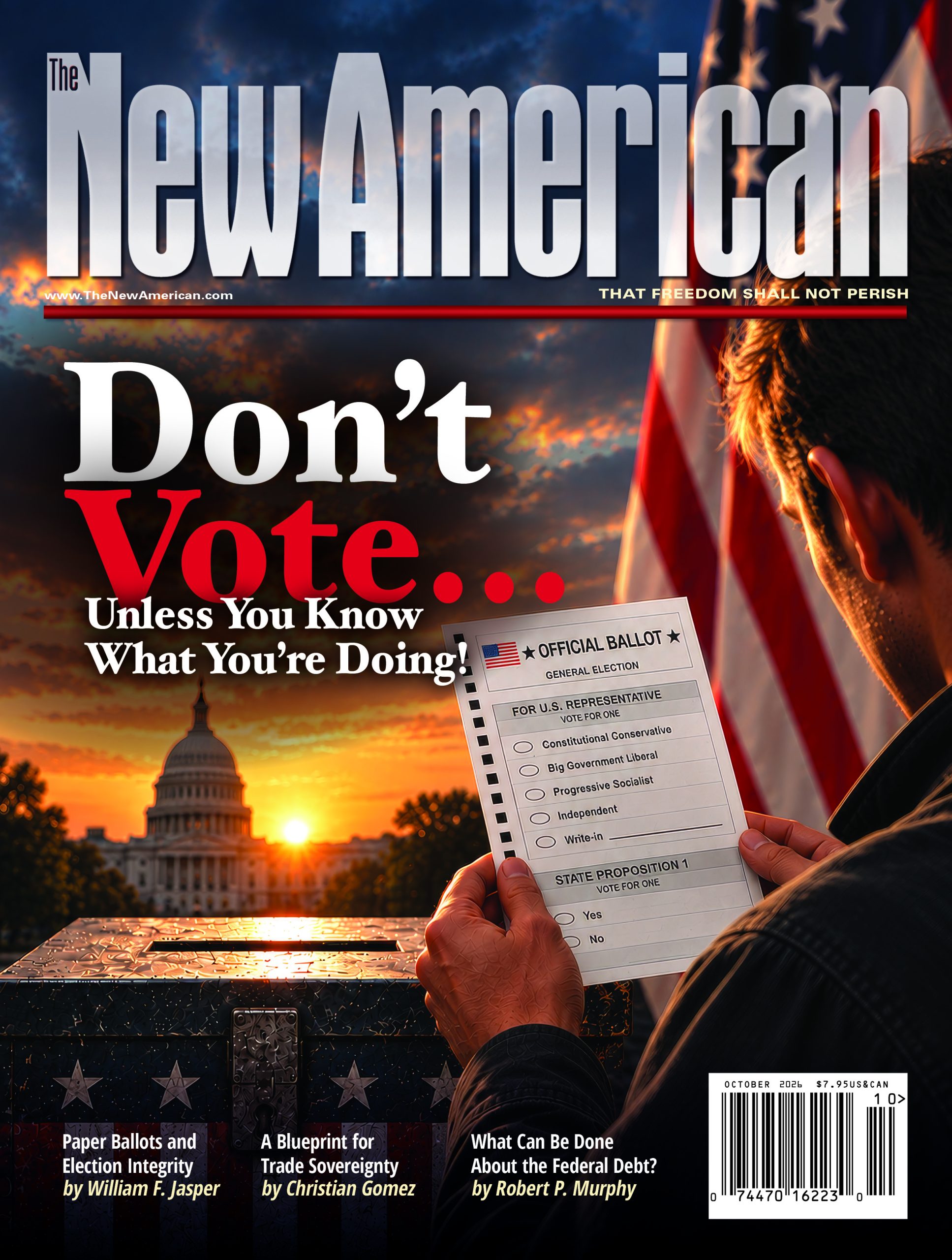
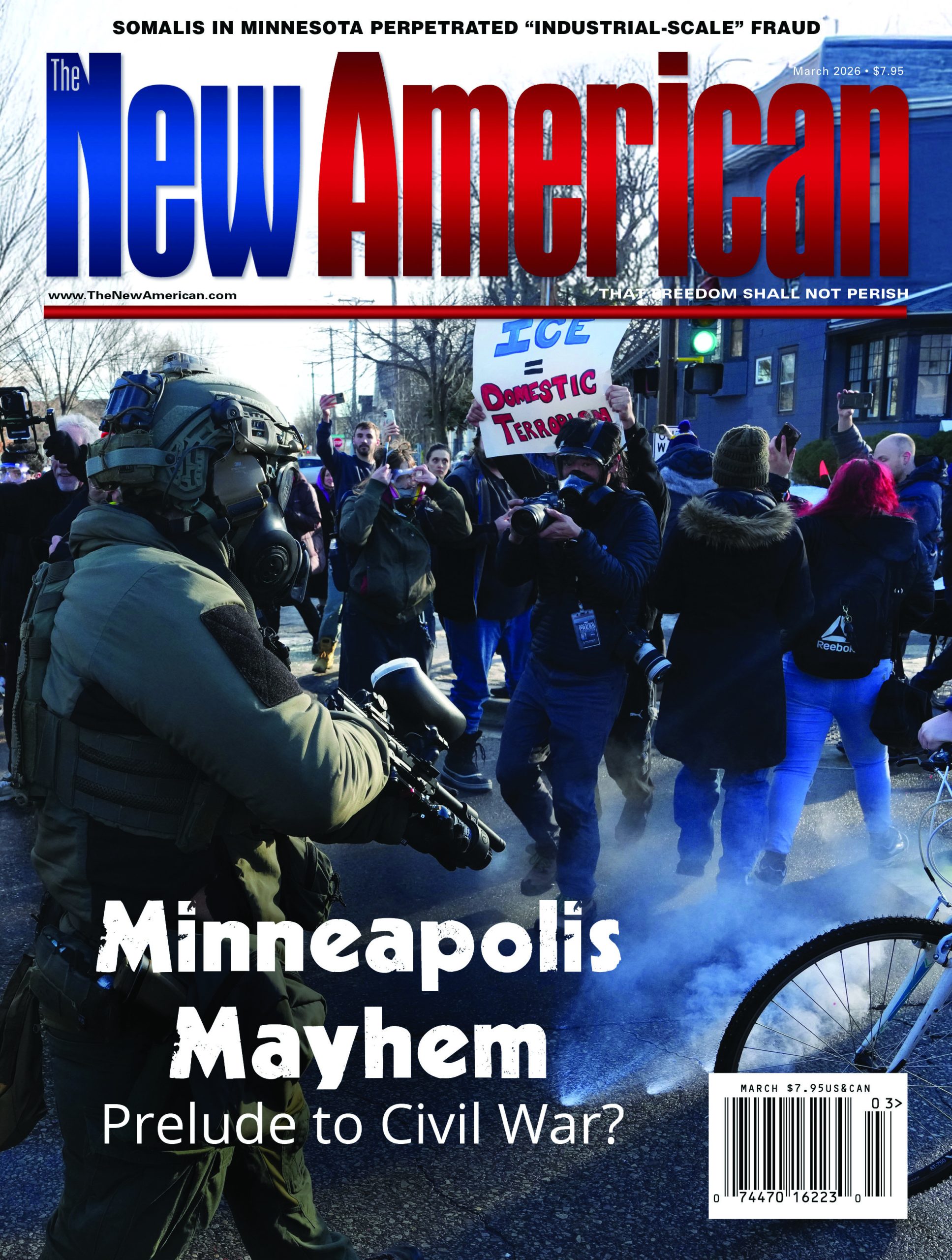

Vol. 42, No. 03
03/01/2026
Wolverton’s Warning | Constitutional Reflections on the Use of Force in Venezuela
Periods of international crisis test not only the resolve of nations, but their commitment to constitutional restraint. President Donald Trump’s authorization of a military operation that resulted in the detention of Venezuela’s head of state, Nicolás Maduro, and a temporary assertion of American authority within Venezuelan territory raises important constitutional, legal, and moral questions worthy of careful consideration.
Americans of good faith may differ sharply in their assessment of the Maduro government and Venezuela’s prolonged political and economic turmoil. Those disagreements, however, do not diminish the responsibility of the United States to act in accordance with its constitutional framework and the principles of law that have long guided the Republic’s conduct abroad.
The Constitution assigns to Congress the authority to initiate war. Article I expressly grants the legislative branch the power to declare war and to authorize the use of military force against foreign nations. This allocation reflects the framers’ deliberate judgment that decisions of war and peace should not rest in the hands of a single executive, but instead require collective deliberation and public accountability.
Premium Content
Sign in with your ShopJBS.org account to read the full article, or subscribe below for unlimited digital access.
Log In to Continue Reading
- 12 Issues Per Year
- Digital Edition Access
- Digital Insider Report
- Exclusive Subscriber Content
- Audio provided for all articles
- Unlimited access to past issues
- Cancel anytime
- Renews automatically
- 12 Issues Per Year
- Print edition delivery (USA) *Available Outside USA
- Digital Edition Access
- Digital Insider Report
- Exclusive Subscriber Content
- Audio provided for all articles
- Unlimited access to past issues
- Cancel anytime
- Renews automatically