
Trump’s Top Officials Move Into Military Bases As Capital Militarizes
More and more of America’s top civilian officials now live in residences traditionally reserved for military commanders. Cabinet secretaries, White House advisors, and other senior appointees have traded ordinary Washington neighborhoods for guarded installations.
The exodus raises an unsettling question: What does it say about the state of the Republic when its rulers increasingly feel safer living among soldiers than among the citizens they govern?
Bessent Joins the Military Enclave
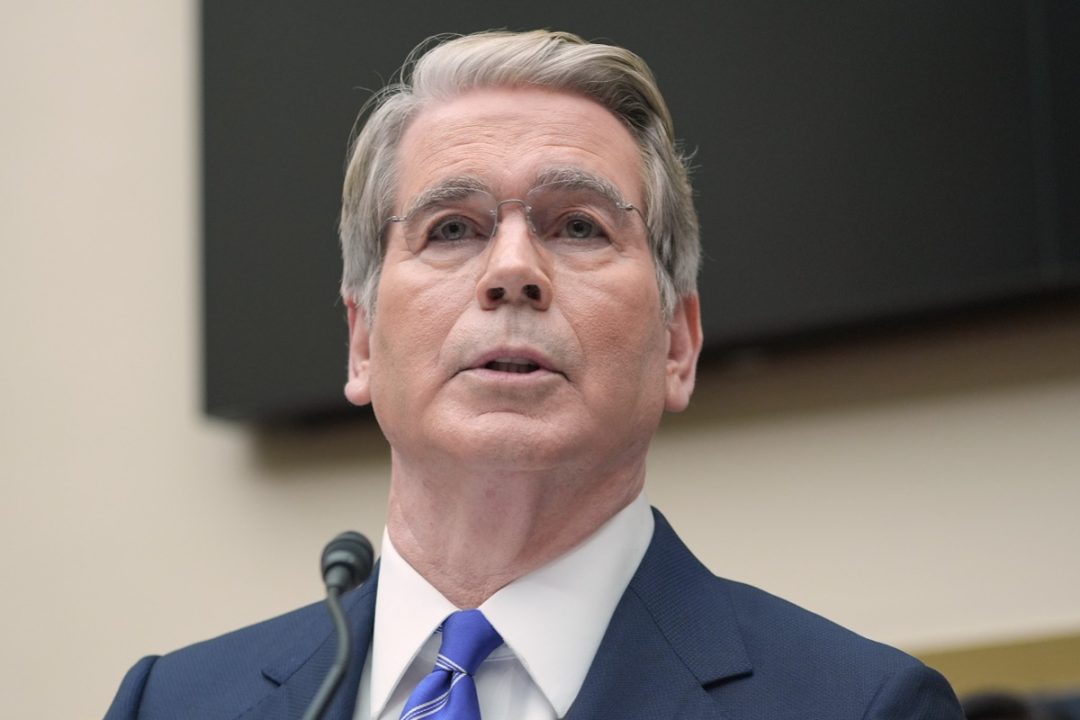
Treasury Secretary Scott Bessent is the latest senior Trump official to relocate to a military installation.
On Friday, he confirmed that he had followed Secret Service instructions to leave his Washington home following Iranian death threats.
Bessent linked the threats to his sanctions campaign against Tehran, known as Operation Economic Outcast. He insisted the pressure was working, describing Iran as a “dangerous cornered animal.”
He also blamed The Wall Street Journal for publishing an aerial photograph of his Georgetown residence in January 2025, calling the disclosure “highly irresponsible and dangerous.”
The precise threats remain undisclosed. However, Reuters reported that an intelligence official had warned of advanced Iranian plots against Americans.
The location of Bessent’s new residence has not been publicly identified.
His relocation adds another influential civilian to a growing and unusually well-protected government enclave.
Fort McNair’s New Civilian Elite
The relocations began early in Trump’s second term.
By March 2025, Defense Secretary Pete Hegseth was already living at Fort McNair in Washington. Secretary of State Marco Rubio had joined him by October. Both occupy homes on Generals’ Row, traditionally reserved for senior military commanders.
Hegseth resides in Quarters 8, historically assigned to the Army’s vice chief of staff. According to The New York Times, the residence became available after the general entitled to occupy it chose to remain at another installation.
Rubio confirmed his own arrangement during an August podcast interview, when he described living among generals and other senior officers, with Hegseth just “two doors down.”
The two Cabinet members even brought their pets. Rubio joked about his dogs’ encounters with Hegseth’s cat, lending an almost cute suburban familiarity to their unusual living arrangements.
But behind these domestic details lies a serious institutional question.
These residences were built to house America’s military leadership. Retired officers warned the Times that accommodating civilian political appointees could displace generals and admirals, disrupting long-standing military housing arrangements.
The Exodus Spreads
The migration of the officials extends well beyond Fort McNair.
In October 2025, The Atlantic reported that at least six senior Trump administration appointees had relocated to military installations around Washington.
Stephen Miller, now White House chief of staff, moved with his family after activists staged protests near their Arlington, Virginia, home. Demonstrators publicized the family’s address, and Stephen’s wife, Katie, described a threatening encounter with a stranger outside their residence.
Then-Homeland Security Secretary Kristi Noem found refuge at Joint Base Anacostia-Bolling, occupying a waterfront residence traditionally reserved for the Coast Guard commandant.
Her arrangement sparked controversy. In August 2025, The Washington Post reported that Noem lived there rent-free. Noem later disputed the account, insisting she paid rent and did not occupy the commandant’s residence.
The controversy outlasted her tenure. After Trump fired Noem in March 2026, she reportedly continued occupying Coast Guard housing. In May, Representative Robert Garcia (D-Calif.) demanded an explanation for her continued use of the property.
Former Attorney General Pam Bondi relocated to a military installation earlier this year. Investigators reportedly identified threats involving drug cartels and individuals angered by her mishandling of the Jeffrey Epstein files.
Her successor, Todd Blanche, followed the same pattern. Last week, Fox News confirmed through three sources that Blanche had spent months living in a Washington-area military installation. His precise security justification remains undisclosed.
Army Secretary Daniel Driscoll moved into military housing at Joint Base Myer-Henderson Hall, sharing a residence with another Army political appointee. Former Navy Secretary John Phelan likewise occupied military quarters after a fire damaged his Washington home.
Demand apparently exceeded supply. According to The Atlantic, Director of National Intelligence (DNI) Tulsi Gabbard’s team explored moving her to Fort McNair, but insufficient space prevented it.
Security, Privilege, or Both?
Military bases offer restricted access, guarded entrances, and established security infrastructure. Housing threatened officials there may simplify protection and reduce security expenses at private residences.
But beyond the deeper concerns about the militarization of civilian government, it also raises more immediate questions.
Who determines eligibility? What constitutes a credible threat? Are officials paying fair-market rent? Who covers additional security costs? What happens when political appointees occupy residences intended for military commanders?
Congress has begun demanding answers.
In June, Representative George Whitesides (D-Calif.) secured a House Armed Services Committee directive seeking a detailed accounting of political appointees residing in military housing.
The report, requested by May 1, 2027, must address the number of residents, security justifications, legal authority, rental arrangements, and related costs.
Even President Donald Trump appeared uncertain about the necessity.
Asked about the practice during an April 60 Minutes interview, he replied:
Well, they choose to. I’m not sure that they need to.
He also remarked on the comfort of some military residences.
The president’s casual explanation only deepens the contradiction. If the threats are serious enough to drive so many senior officials behind military gates, why does Trump himself question the necessity?
And if these arrangements are partly matters of personal preference, why should military installations increasingly serve as exclusive residential enclaves for Washington’s political elite?
Washington Turning Into a Military Garrison
The practice is not new. Defense Secretary Robert Gates lived in military housing under Presidents George W. Bush and Barack Obama. Joe Biden’s deputy homeland security secretary, John Tien, also occupied military quarters. But these were isolated cases. Trump’s influx of Cabinet secretaries and political appointees is much different in scale.
Some security threats may be serious, yet Washington cannot ignore how its foreign wars breed insecurity at home. American and Israeli strikes on Iran in February killed Supreme Leader Ali Khamenei, senior officials, and civilians, including scores of children. Tehran threatened retaliation. Now American officials shelter behind military checkpoints.
The capital itself increasingly resembles a military garrison.
Trump deployed the National Guard in August 2025 to fight crime, although violence was already declining. Subsequent research found little evidence that troops improved public safety. Nevertheless, the administration extended their mission until January 2029.
As of early November, nearly 3,100 Guardsmen remained in Washington. Their expanded mission includes the use of tactical vehicles, patrol boats, and surveillance equipment, and authorization to carry rifles during specified operations.
Physical barriers are multiplying. The administration seeks permanent fencing around Lafayette Square, a historic protest site. Following botched renovations, Guard patrols and AI surveillance towers appeared around the Lincoln Memorial Reflecting Pool.
Even Trump’s signature projects have military ambitions. His White House ballroom plans include a six-story underground military complex, with rooftop positions proposed for drones and snipers. His 250-foot triumphal arch was likewise envisioned with drones, snipers, and ammunition.
Each measure has its justification. Together, they make civilian government increasingly fortified and remote, raising urgent questions.
What kind of Golden Age requires a capital resembling a military compound? And when does protecting officials become a means of insulating them from the people they serve?
Related Article:
FORTRESS America: The Pentagon Prepares for War on American Soil