Liberia Accepts People Deported From Other Countries. Why?
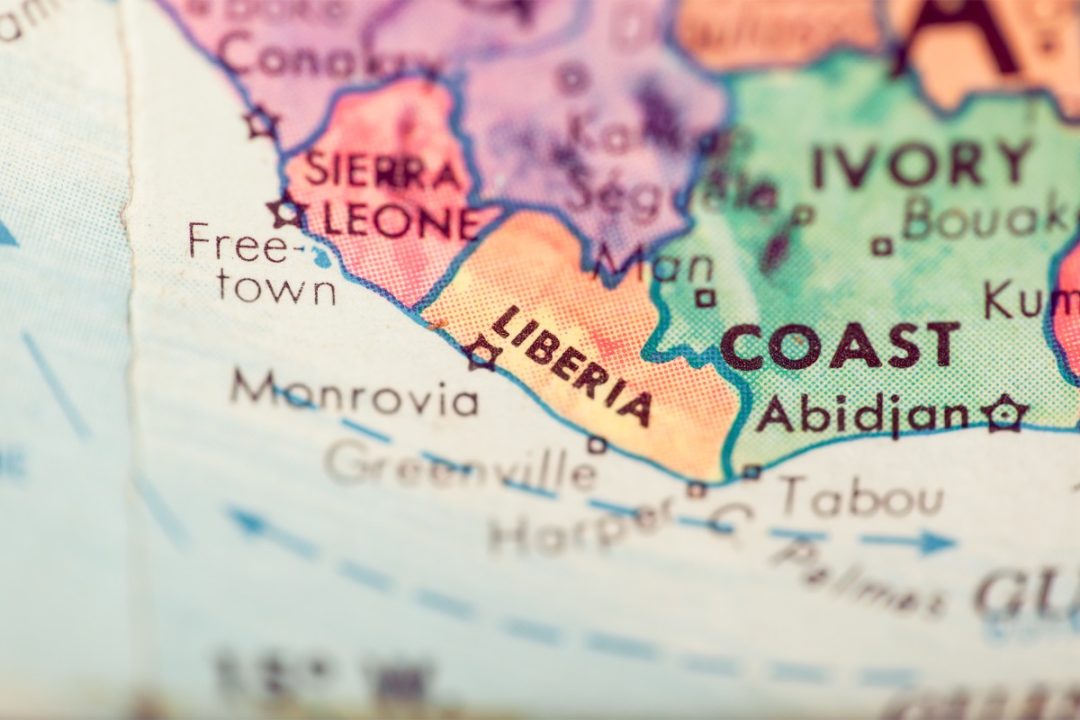
On August 18, Liberia announced it would accept up to 1,200 deportees from the United States who are neither American nor Liberian. Two days later, the first 20 landed at Roberts International Airport outside Monrovia. Liberian officials said the deportees would include nationals from Africa, North and South America, and the Caribbean.
The day before that flight, at the same airport, Liberian police stopped former Vice President Jewel Howard-Taylor as she tried to leave the country. She was charged with drug trafficking, money laundering, and related offenses.These are seemingly unrelated stories. But they unfolded in the same week, at the same airport, in a country that has become a waypoint for South American cocaine headed to Europe.
Drug Seizures
In July, authorities seized nearly four tons of cocaine near Monrovia, valued at $317 million, the largest drug bust in Liberia’s history. Investigators said police officers had allegedly helped escort the shipment after it arrived, and senior police officials were implicated. A smaller June seizure at the airport was linked to Dutch cocaine kingpin Jos Leijdekkers. According to the Global Initiative Against Transnational Organized Crime, at least 30 percent of the cocaine bound for Europe now passes through West Africa.
Liberia’s police chief linked Howard-Taylor, the former wife of ex-President Charles Taylor, to the July seizure, though officials have also said the two investigations are separate. She has not commented publicly, and has not been tried.
Unclear Agreement
The deportation deal is no clearer. The State Department declined to provide details. Liberia’s government called the arrangement “entirely humanitarian” and said it received no payment. Yet The New York Times reported that the State Department approved $5 million for Liberia in December for migration management, and paid it in January. A Liberian critic, writing in Al Jazeera, argued that the agreement was never approved by Liberia’s legislature, as its constitution requires.
Meanwhile, whether the United States may deport people to countries that are not their own is before the Supreme Court, which has let the practice continue while it decides.
History of Drug Involvement
History gives reason to ask what else may be exchanged when Washington makes quiet deals with governments in drug-transit countries.
During the Vietnam War, historian Alfred McCoy documented that aircraft of Air America, the CIA’s airline, carried opium grown by the agency’s tribal allies. In 1989, the Senate’s Kerry Committee found that the State Department had paid companies owned by drug traffickers to deliver aid to the Contras. Journalist Gary Webb died under mysterious circumstances after he reported in the San Jose Mercury News that those same CIA-backed Contras were transporting cocaine into Los Angeles. In 2007, during the U.S.-led war, Afghanistan produced 93 percent of the world’s opium, according to the UN, and soldiers were complaining about how they were dispatched to protect poppy fields.
None of this proves anything about Liberia. However, it shows why these questions deserve answers: What exactly did Liberia receive, and from whom? Who negotiated the deal, and why was it kept from Liberia’s legislature? And do the officials who signed it also oversee the police force now implicated in a cocaine corridor to Europe?
This article is part of The New American’s weekly online newsletter Insider Report, which is emailed to TNA subscribers each week. Click here to subscribe to The New American to receive the Insider Report and access exclusive content.