Trump Rejects UN Farm Declaration, Seeks UN “Free Speech” Declaration
U.S. President Donald Trump’s administration rejected a UN agriculture declaration on July 23 because it promoted “divisive social policies.” But it still plans to solicit support at the world body for “freedom of expression.”
Rejecting the Farm Declaration
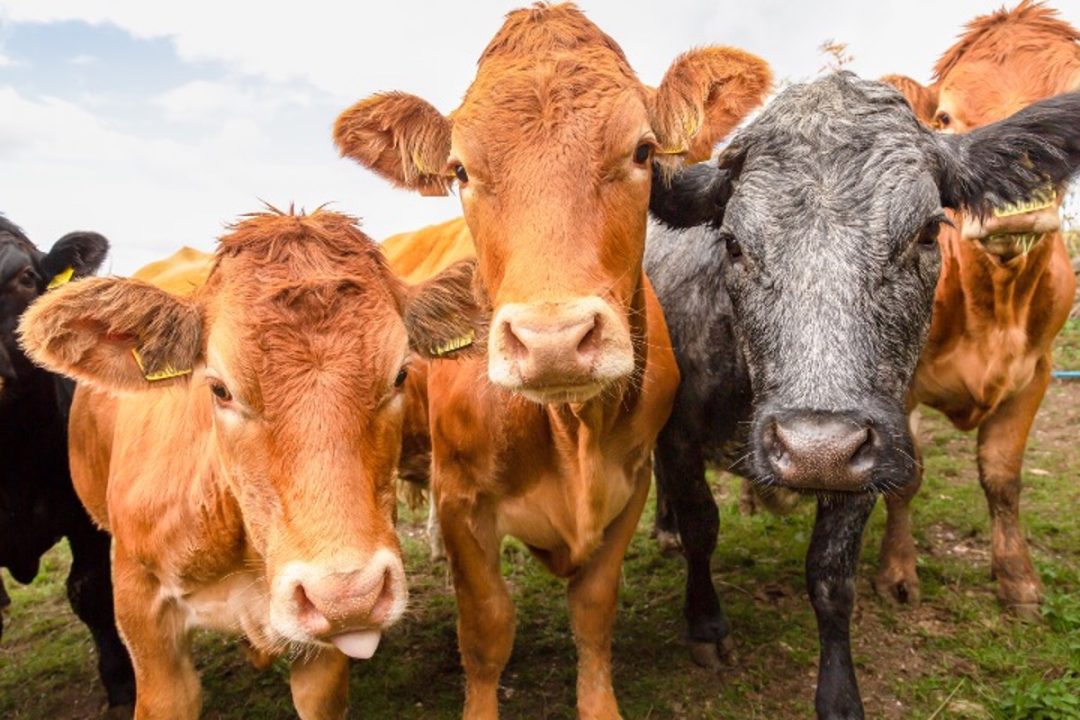
Politico reported that the administration “declined to participate” in the proposed livestock/farm declaration:
On Thursday [July 23], Officer for the U.S. Department of Agriculture Paul Welcher repeated his government’s wish to “disassociate” itself from the U.N.’s Global Plan of Action for Sustainable Livestock Transformation at the Food and Agriculture Organization’s [FAO’s] COAG30 summit in Rome.
Multiple mentions of climate change, gender, equality and the U.N.’s sustainability goals “distract from the core tactical elements within the FAO’s mandate,” Welcher explained.
The plan, which is completely voluntary, was finally adopted by delegates on Friday [July 17]. It advises countries to address issues such as biodiversity, animal welfare, emissions and how to prevent the spread of disease.
Perhaps predictably for a mainstream media outlet, Politico subtly defended the declaration by noting that “the word gender only appears once” in it, even though the Trump administration’s objections were broader than just that topic.
Promoting “Freedom of Expression”
A separate Politico report on July 19 noted that the administration “will use the upcoming U.N. General Assembly,” scheduled to occur in September, “to push a global ‘freedom of expression’ declaration.”
The outlet continues:
POLITICO has obtained a draft of the joint declaration that the U.S. has begun circulating among countries in the hope that it will be signed by heads of government at an event on the sidelines of the annual United Nations meeting in September.
The version of the document seen by POLITICO denounces “new laws” and “regulatory frameworks” that it says endanger free speech around the globe in “historically democratic countries.”
It is not clear to what extent the UN itself will be involved in adopting this proposed declaration.
The Trump administration’s proposal is in response to the European Union’s Digital Services Act, an EU law enacted in 2022 that regulates online platforms and threatens free speech online. The administration and Congress have previously criticized the law, with the U.S. House Committee on the Judiciary describing it in a 2025 report as a “comprehensive digital censorship law.”
The Real Solution
Although the Trump administration has been promoting conservative policies in these instances, it should focus on restoring U.S. sovereignty by getting out of the UN and other international organizations, instead of trying to work through the UN system.
This article is a lightly edited version of an item in The New American’s weekly online newsletter Insider Report, which is emailed to TNA subscribers each week. Click here to subscribe to The New American to receive the Insider Report and access exclusive content.