Hantavirus: Is the Next Pandemic Upon Us?
A hantavirus outbreak aboard the MV Hondius Dutch cruise ship has claimed the lives of three passengers and caused illness in others, according to mainstream news reports. Contact tracing links the illness’ origin to South America and the Atlantic island of St. Helena. U.S. passengers face a 42-day quarantine at the University of Nebraska Medical Center.
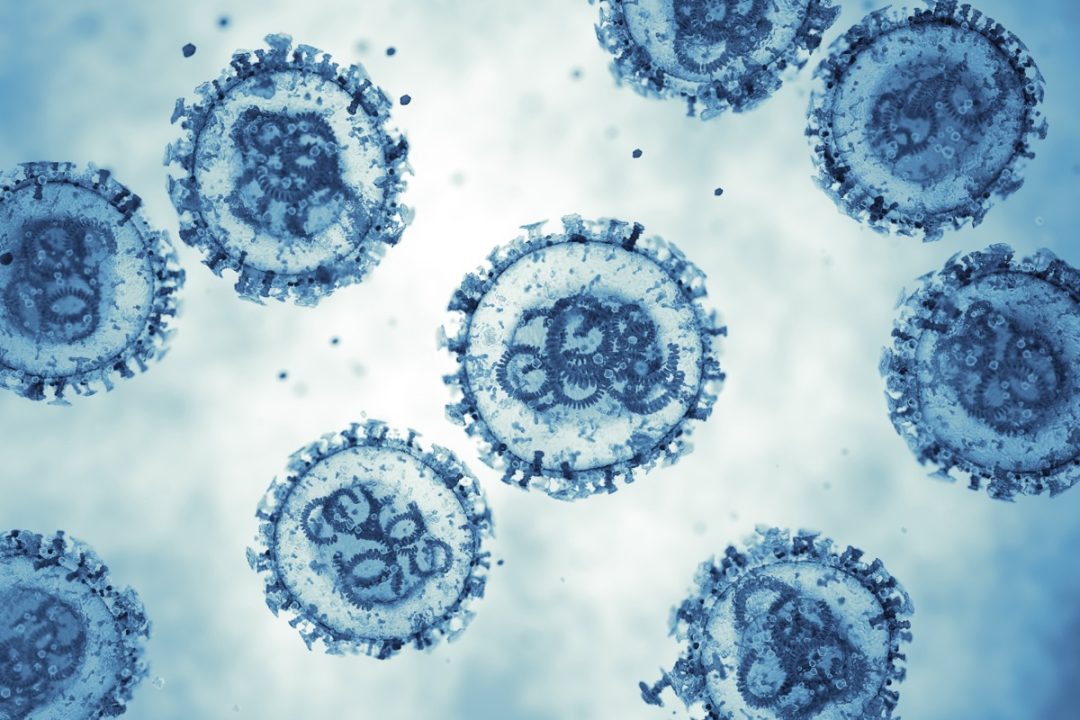
Hantavirus is a rodent-borne RNA virus, and HPS, or hantavirus pulmonary syndrome, gained prominence in 1993 during a deadly outbreak in the Four Corners region of the southwestern United States, where scientists identified it as a new pathogen transmitted primarily through contact with secretions from infected mice or rats. Flu-like symptoms can rapidly progress to severe respiratory distress, with some strains causing fatality rates as high as 40 percent. Betsy Arakawa, wife of actor Gene Hackman, made headlines in February 2025 when she succumbed to hantavirus in New Mexico.
Most hantavirus strains spread only from rodent to human, not from person to person. The recent cruise-ship cases have raised concerns due to limited person-to-person transmission.
Suspicious Beginnings
They are also raising eyebrows due to U.S.-Ukraine collaborations under the Department of Defense’s Biological Threat Reduction Program. Hantavirus is one of many pathogens studied in Ukrainian biolabs, courtesy of U.S. taxpayers. These programs, dating back to the 2000s and expanded under initiatives such as the Nunn-Lugar Cooperative Threat Reduction program, reputedly aim to secure and study dangerous pathogens to prevent their spread, but critics point out the potential of bioweapon development. In fact, days after Russia’s invasion of Ukraine in 2022, then-Under Secretary of State for Political Affairs Victoria Nuland told the U.S. Senate:
Ukraine has biological research facilities, which in fact we are now quite concerned Russian troops, Russian forces may be seeking to gain control of, so we are working with the Ukrainians on how they can prevent any of those research materials from falling into the hands of Russian forces should they approach.
The current cruise-ship incident involves a virus previously researched in such programs, and social media is enflamed with cries of foul play. Many find it odd that the World Health Organization wrapped up a pandemic simulation, Exercise Polaris II, in late April, with eerie parallels to the cruise-ship narrative. Others want to know how Gavi: The Vaccine Alliance (a WHO collaborator) could have accurately predicted a hantavirus outbreak five years ago, or why NASA published a hantavirus risk map in 2020.
Dr. Dawn Michael posted on X: “Unbelievable. ‘Hantavirus pulmonary infection’ is in the Pfizer appendix 5.3.6 CUMULATIVE ANALYSIS OF POST-AUTHORIZATION ADVERSE EVENT REPORTS on page 33. As a side effect of the COVID vaccine.” And conservative commentator Benny Johnson composed a compilation video, “They’re Doing It Again… Hantavirus Hits America.” In it he highlights old social media posts from as far back as 2012 predicting a hantavirus pandemic. Johnson draws parallels to Covid and notes the suspicious timing in relation to the upcoming midterm elections.
Another Planned Pandemic?
But is it credible to think that globalist operatives would plan another pandemic? We don’t have to wonder. Dr. Abdi Mahamud, who served as WHO’s Covid incident manager, said plainly in the organization’s May 11 briefing on the hantavirus outbreak: “This incident, this outbreak has seen why the world needs a global entity that coordinates this.” Leave it to a globalist to never let a crisis go to waste, using it to expand government authority and undermine God-given rights.
This article is part of The New American’s weekly online newsletter Insider Report, which is emailed to TNA subscribers each week. Click here to subscribe to The New American to receive the Insider Report and access exclusive content.