Economic Pressures: Gas Prices, Inflation, and “Freedom Fuel” Initiatives
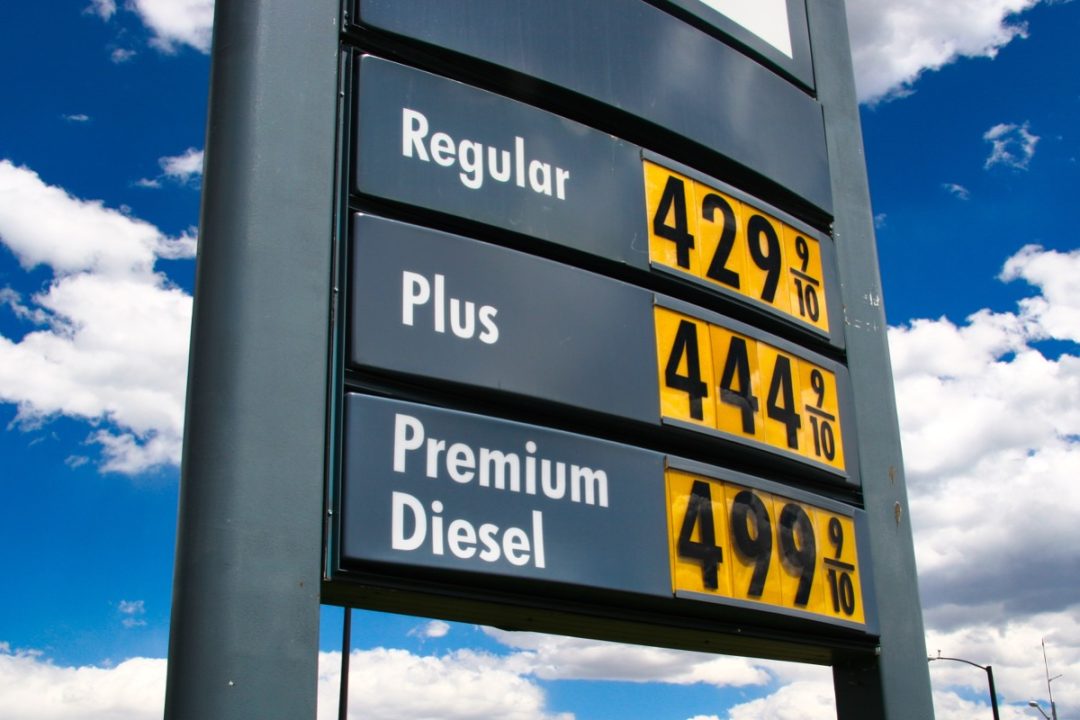
As of late July, American drivers were facing renewed pain at the pump, with national average gasoline prices climbing toward or exceeding $4 per gallon. The primary driver is the escalation of U.S. military involvement in the Iran conflict, which has disrupted oil flows through the Strait of Hormuz, triggered retaliatory attacks on shipping, and prompted the revocation of Iranian oil export waivers. This has tightened global petroleum supplies and sent shock waves through energy markets already strained by other geopolitical tensions, including the ongoing Russia-Ukraine war.
Driving Up Costs
While headline inflation has moderated slightly in recent years, energy volatility now risks reversing disinflation trends. Higher fuel costs ripple through the economy, increasing transportation expenses for goods, food, and services. Families and small businesses feel the squeeze, particularly in rural and suburban areas dependent on personal vehicles. Critics argue that heavy federal spending, regulatory burdens on domestic energy production, and lingering effects of green-energy mandates have left the United States more vulnerable to foreign shocks despite its status as a net energy exporter. Promises of “energy dominance” appear tested by global entanglements that drive up costs for ordinary citizens.
In response, President Donald Trump’s administration has promoted “Freedom Fuel” initiatives, including networks of star-spangled gas stations aimed at offering discounted fuel through alternative sourcing and branding. Proponents tout these as practical steps toward lower prices and reduced reliance on adversarial suppliers. However, skeptics question whether such ventures can meaningfully offset larger market forces, and draw attention to the administration depleting America’s strategic oil reserves to fool the public by artificially increasing supply.
Masking the Real Problem
Compounding public frustration are anecdotal and emerging reports of fuel-quality issues. In shortage scenarios, some stations are increasing additives such as ethanol or introducing extenders to bulk up supplies without raising prices, which may be politically or contractually constrained. These cheap additives lead to increased engine breakdowns.
Such measures mask the direct link between overseas conflicts and domestic shortages. Drivers may attribute poor performance (e.g., reduced mileage, injector issues, or premature wear) to bad luck or vehicle problems rather than adulterated fuel stemming from policy-driven supply constraints. This obscures accountability for decisions entangling the United States in distant wars that elevate energy costs and degrade product quality. Whether in response to Iranian disruptions or Russian supply strains, the pattern suggests that hidden adjustments burden consumers while shielding larger geopolitical strategies from scrutiny.
In the Vietnam War era, “guns and butter” was the slogan embodying this conflict between domestic luxuries and war-induced privation. In 2026, the phrase might be changed to the dilemma of “guns and gasoline.”
This article is part of The New American’s weekly online newsletter Insider Report, which is emailed to TNA subscribers each week. Click here to subscribe to The New American to receive the Insider Report and access exclusive content.