State AG: DOJ Obstructing Investigation Into Epstein’s Zorro Ranch
The U.S. Justice Department is refusing to cooperate with New Mexico authorities who are trying to resume an investigation into criminal activities at the late Jeffrey Epstein’s Zorro Ranch, according to state officials. Authorities say that back in 2019 the DOJ halted the state’s investigation into allegations of sexual crimes at the ranch, and are now holding onto documents needed to continue the probe.
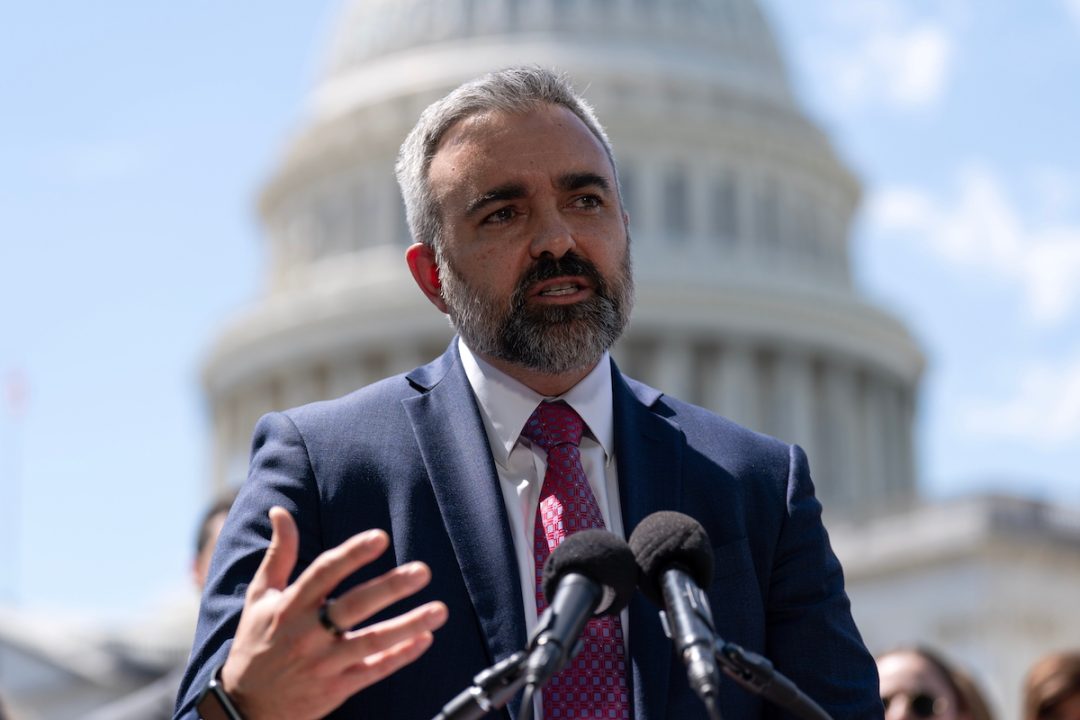
On June 30, New Mexico Attorney General Raúl Torrez sent an “urgent” letter asking DOJ Acting Attorney General Todd Blanche for Epstein-related documents it has been asking for since February, when it re-opened the investigation. “The [New Mexico] DOJ is the only entity actively conducting a criminal investigation into Jeffrey Epstein’s alleged crimes at Zorro Ranch in Santa Fe County,” writes Torrez. “The USDOJ has long possessed the records and investigative materials that [New Mexico] DOJ needs to identify survivors, witnesses, and co-conspirators, but has not provided unredacted access, despite repeated formal requests and prior assurances of cooperation.”
Zorro Ranch is suspected to have been the site of criminal activities, with some speculation going so far as to suggest that dead bodies may have been buried on the property. Writes Torrez:
Heavily redacted open-source records already establish that multiple survivors were brought to Zorro Ranch in Santa Fe County, New Mexico, on numerous occasions, where they were subjected to sexual abuse and exploitation. The redacted records show that, under those redactions, records in the USDOJ’s custody contain the names of survivors, witnesses, co-conspirators, and other individuals whose identities are essential to the [New Mexico] DOJ’s ability to fulfill its obligation to investigate and prosecute criminal conduct occurring within this State. The [New Mexico] DOJ’s efforts to obtain these materials through cooperative means have been extensive and, to date, unsuccessful.
Girls and women who were allegedly abused at Zorro Ranch started coming forward as early as 2006. “At least 10 have alleged that starting in the mid-1990s, Epstein groomed or abused them at the ranch,” NBC News reported back in March. “Half were teenagers when Epstein harmed them.” Yet there’s been no account for any of the accusations.
No Response
Torrez says the DOJ has provided “verbal assurances of cooperation,” yet “access to the requested records has not been granted, no substantive response has been provided, and more than 130 days have now elapsed since the NMDOJ’s initial request.”
Torrez also reveals that the DOJ put the kibosh on a 2019 state investigation into Zorro Ranch after convincing the state it would take over the probe and to hand over its investigatory documents. In September 2019, New Mexico gave the feds “police reports, recorded witness interviews, and materials related to Epstein’s use of New Mexico public lands.” Torrez:
In 2019, the NMDOJ opened an investigation into criminal conduct at Zorro Ranch, gathering witness accounts, generating investigative reports, and engaging in regular coordination with federal prosecutors. That investigation was halted at the express request of the U.S. Attorney’s Office for the Southern District of New York, which sought to consolidate New Mexico’s investigative materials into its federal prosecution of Epstein’s co-conspirators. In good faith, the NMDOJ complied. … The NMDOJ’s investigation was effectively suspended by federal request in 2019, its file released to federal authorities, and its survivors left without an accounting of what occurred in New Mexico.
Records Withheld
The DOJ is now holding onto the records New Mexico needs to resume its investigation. The agency’s “continued withholding of unredacted records,” says New Mexico officials, “is causing real and escalating harm.” Torrez elaborated that “investigators cannot identify corroborating witnesses — the staff, the associates, the individuals present at Zorro Ranch” without those records. Moreover, this prohibits state authorities from “following the investigative leads that the redacted records plainly suggest, pursue the subpoenas and warrants those leads would support, authenticate the documents and records those leads would uncover, or assess the full scope of criminal liability.”
Torrez goes on to say that the longer the feds hold onto the records, the more difficult it will be to carry out an effective investigation:
Witnesses relocate and become unreachable. Memories, already strained by years of trauma, fade further. Physical and documentary evidence degrades, is lost, or is rendered more difficult to authenticate with the passage of time. Beyond the evidentiary impacts, continued delay creates legal hurdles related to statutes of limitation and due process. Significant pre-indictment delay also affects judicial and jury perceptions of a case in ways that favor defendants and disadvantage the prosecution, regardless of the strength of the underlying evidence.
Torrez further argues that New Mexico’s requests are not even very difficult to meet. First, the feds give them access to their database. Secondly, Torrez believes that since the documents have already been reviewed in accordance with the Epstein Transparency Act, this “reduces any administrative impact.”
History of Inaction
The DOJ’s refusal to cooperate with New Mexico authorities is only the latest in a long line of actions — or nonactions — indicating that the U.S. government is intentionally working to prevent more information about Epstein and his activities from becoming public. For starters, it’s still holding onto millions of records it’s supposed to have made public under the Epstein Files Transparency Act. While it released more than 3.5 million, albeit many of them illegally redacted, it reviewed about six million files that were supposed to be released.
Also, earlier this month, the department defied a judicial order for more transparency. In late June, U.S. District Judge Emmet Sullivan ordered the DOJ to release and unredact a number of documents in accordance with a lawsuit filed by independent journalist and former MSNBC analyst Katie Phang. Phang asked the Court to compel the DOJ to explain why it redacted the sender and recipient names in at least eight files that include mention of a torture video and/or sex with young women; why it’s withholding FBI interview reports with alleged victims, including “notes from FBI interviews with a victim who has alleged that in the 1980s, when she was about 13 years old, Epstein introduced her to Trump, who in turn assaulted her”; why it redacted the names of potential co-conspirators in other files; to produce foreign language files; and to publish explanations for the legal redactions.
On July 2, Associate U.S. Attorney General Stanley Woodward responded by “arguing the materials include sensitive victim information or were appropriately redacted as required by law,” according to reports. Woodward also asked the judge for a 60-day deadline extension or to reverse his order altogether.
Suppressing the Truth
The co-sponsors of the Epstein Transparency Act, Representatives Ro Khanna (D-Calif.) and Thomas Massie (R-Ky.), have continued to decry the DOJ’s cagey — and illegal — response to the law. Following the DOJ’s refusal to obey the judge’s order, they wrote in a letter to Blanche, “Congress passed the EFTA to provide disclosure, answers, and accountability. By delaying release and relying on broad redactions, the DOJ is making it harder for journalists and the public to understand the truth.”
That seems to be the point. The DOJ’s enduring obfuscation appears intentionally designed to prevent people from knowing the truth about Epstein. So–what is to be done when the top law enforcement agency in the nation is the one breaking the law?