Comptroller Report Finds Major Banks Debanked Customers Over Politics, Religion, and Lawful Business
On October 14, the Office of the Comptroller of the Currency (OCC) released a 47-page report documenting that the nine largest national banks it supervises maintained policies that denied or restricted financial services based on customers’ political or religious beliefs or lawful business activities.
The banks examined were JPMorgan Chase, Bank of America, Citibank, Wells Fargo, U.S. Bank, Capital One, PNC, TD, and BMO. The review, conducted under President Trump’s Executive Order 14331, “Guaranteeing Fair Banking for All Americans,” covered the period from 2020 through September 2025. OCC staff examined nearly 100,000 complaints and roughly 420,000 pages of bank documents, policies, and individual customer decisions.
Comptroller of the Currency Jonathan V. Gould stated that the findings provide “irrefutable evidence that the nation’s largest banks have denied, debanked and discriminated against customers and lawful businesses.” The agency concluded that broad “reputation risk” policies, which lacked clear standards and objective, risk-based criteria, allowed political considerations, public opinion, and social pressures to influence banking decisions.
Reputation Risk; Industry Sectors
The report identified two primary categories of problematic policies: first, reputation-risk frameworks that disadvantaged individuals or groups because of political, religious, or social views; and second, public and nonpublic restrictions on entire industry sectors engaged in lawful activities. Affected sectors included oil and gas exploration (particularly Arctic projects), coal mining and coal-fired power plants, firearms and ammunition manufacturing or distribution, construction or operation of detention facilities, tobacco and e-cigarette manufacturing or retail, and certain digital-asset activities.
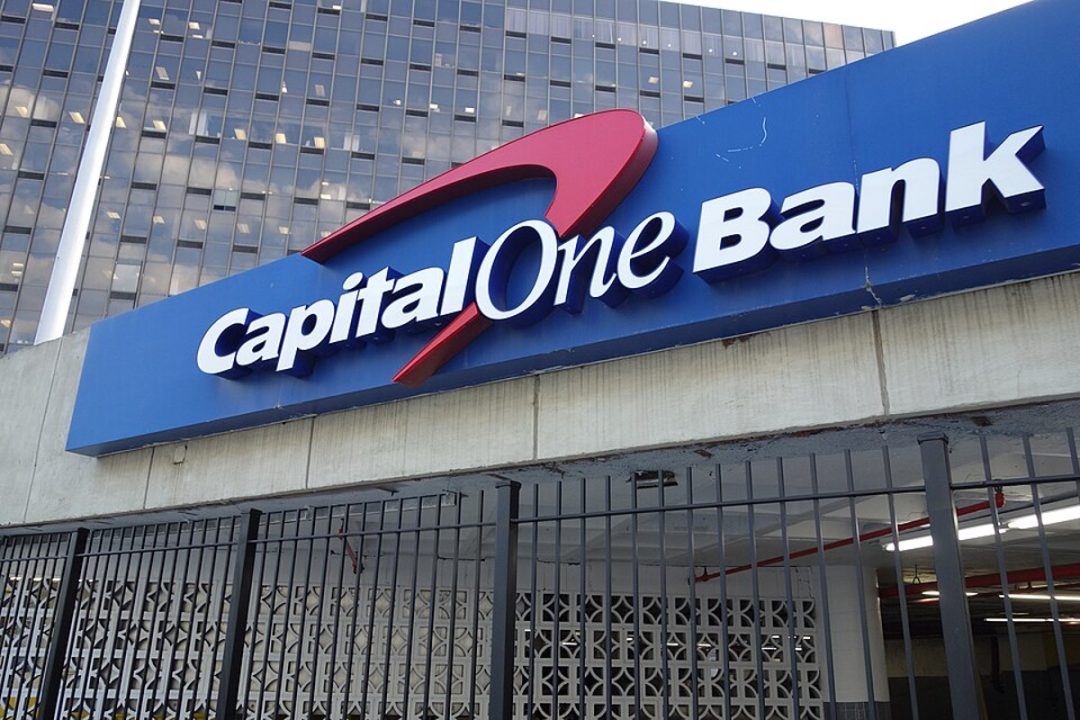
Specific examples cited include a payment processor owned by one bank that closed the account of a merchant selling merchandise promoting President Donald Trump and the “Make America Great Again” brand in February 2021. Another bank declined services to a public education organization in 2023 because its political arm endorsed only Democratic candidates. Capital One declined to serve a gun-rights group and an organization supporting abortion. PNC declined a line of credit to a media company after employees cited the owners’ conservative views as contrary to the bank’s values. JPMorgan Chase repeatedly declined commercial services to a conservative retailer between 2021 and 2023; internal records were later altered to remove political references.
Ideological Discrimination
The findings underscore long-standing concerns that subjective reputation-risk standards can become vehicles for ideological discrimination rather than genuine risk management. Though the answer is not a presidential executive order, there is great reason for concern.
In Constructing World Culture, sociologists John Boli and George M. Thomas describe how thousands of international nongovernmental organizations promote a “world culture” of supposedly universal norms (that the NGOs themselves create). The authors are frank that these groups don’t simply persuade — they mobilize against governments and companies that refuse to conform. In recent years, that machinery has found powerful allies in global finance. Under Larry Fink, BlackRock used its votes as a top shareholder in nearly every major American corporation, including JPMorgan Chase, Bank of America, Wells Fargo, and Citigroup, to press for environmental, social, and governance (ESG) standards. The “S” in ESG has become a vehicle for a “woke” social agenda, written by activists and global standard-setters rather than by Congress and enforced through the cost of capital and the threat of reputational ruin.
This article is part of The New American’s weekly online newsletter Insider Report, which is emailed to TNA subscribers each week. Click here to subscribe to The New American to receive the Insider Report and access exclusive content.