
Trump Opens U.S. Market to More Foreign Beef, Drawing GOP and Rancher Backlash
President Donald Trump has found a new way to fight the price effects of tariffs: remove them.
Trump announced Friday on Truth Social,
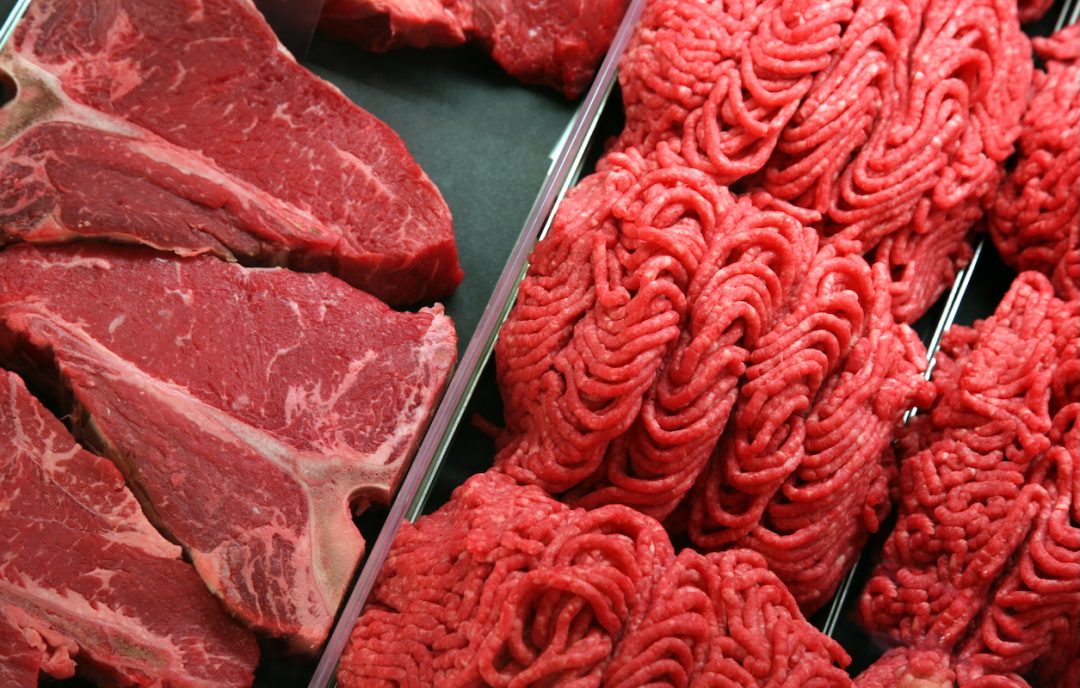
For the next 90 days, the United States will allow up to 300,000 metric tons of product for ground beef to be imported with no out of quota tariff.
He added that foreign suppliers had committed to sell the beef at 25 percent below current market prices.
The White House said Trump would formalize the move with an executive order within two weeks.
The administration has not identified the countries or companies that will supply the meat.
The timing is hard to miss: The 90-day window runs into the November midterm elections. Republicans face growing voter anger over living costs, and beef has become one of the most visible examples.
Who Pays the Tariffs?
The policy creates an awkward problem for one of Trump’s favorite economic arguments.
He has repeatedly insisted that foreign countries pay American tariffs.
But his beef policy rests on the opposite premise.
The administration is removing a tariff specifically because it expects the change to lower the price Americans pay for food.
That does not mean every dollar of a tariff becomes a dollar of higher retail prices. Supply, demand, transportation, processing, and retailer margins also matter.
But the policy acknowledges the basic mechanism Trump often obscures: American importers pay tariffs when products enter the United States. Those costs can then move through the supply chain.
The U.S. International Trade Commission reached a much clearer conclusion when it examined Trump’s first-term tariffs on steel, aluminum, and Chinese goods. It found that U.S. importers bore nearly the full cost, pushing prices higher. Import prices rose roughly in line with the tariffs. Other research, previously reported by The New American, reached similar conclusions.
Beef is a different market. But the underlying mechanism is not.
Trump had already embraced that logic in February.
He increased the tariff rate quota for Argentine lean beef trimmings by 80,000 metric tons. His own proclamation said the additional imports were necessary because domestic supply was inadequate to meet demand at “reasonable prices.”
The White House fact sheet was even more direct. It said the administration was increasing tariff-free imports “to boost supply and make ground beef affordable for American consumers.”
That is difficult to reconcile with the broader claim that tariffs do not raise costs for Americans.
“Biden Did It”
Trump lays much of the blame on his predecessor. Announcing the new import policy, he wrote:
As everyone knows, under President Biden, beef prices soared at their fastest rate and the American beef herd fell to its smallest size in modern history.
Beef prices did rise sharply under Biden, especially during the inflation surge of 2021 and 2022. But they kept rising after he left office.
The average price of uncooked ground beef was about $5.82 per pound in January 2025, according to Bureau of Labor Statistics (BLS) data. By July 2026, it had climbed to $7.12, an increase of roughly 22 percent since Trump returned to office.
The increases remain steep. Beef and veal prices were 9.4 percent higher in July than a year earlier. Ground beef was up nine percent. In January, the annual increases reached 15 percent for beef and veal and 17.2 percent for ground beef, per the BLS.
The cattle herd also shrank under Biden, from 93.6 million cattle and calves in early 2021 to 86.7 million in January 2025. But the contraction predated his presidency. USDA data show the herd peaked at 94.7 million in 2019 and then declined for six consecutive years through 2025.
Then nature intervened. Trump’s own White House acknowledged that drought and wildfires reduced forage and feed supplies and contributed to the shrinking cattle herd. Ranchers have also faced elevated production costs. The effects of Trump’s own tariffs added to those pressures by raising the price of imported fertilizer, equipment, and other farm inputs. The American Farm Bureau (AFB) warned that farmers rely on imports for “crucial supplies like fertilizer and specialized tools” and that tariffs would drive up those costs.
More recently, restrictions on Mexican cattle tightened supplies after the spread of New World screwworm.
Demand, meanwhile, remains strong.
Meatpackers
But cattle supply is only one part of the price on the supermarket shelf.
Between the rancher and the consumer sits a highly concentrated meatpacking industry.
Just four companies, JBS, Cargill, Tyson Foods, and National Beef, dominate roughly 85 percent of U.S. beef processing. USDA says,
In most parts of the country, ranchers and farmers now have two to four buyers for their cattle or hogs.
It has also found recent evidence of reduced competition, lower cattle prices, and wider spreads between what packers pay for cattle and what they receive for wholesale beef.
Trump himself has blamed the packers.
Last November, his White House accused the “Big Four” of wielding “monopoly power” and said industry concentration had contributed to higher prices for consumers. Trump ordered the Department of Justice (DOJ) to investigate potential collusion, price fixing, and price manipulation.
Therefore, cheaper imported beef does not automatically mean proportionately cheaper hamburger.
The Ranchers Revolt
The move immediately drew fire from American cattle producers.
Cheap imported beef could push cattle prices down before it meaningfully reduces grocery prices. The market reacted immediately. Cattle futures fell to eight-month lows after Trump’s announcement.
The National Cattlemen’s Beef Association (NCBA) warned that the policy could discourage ranchers from expanding their herds. CEO Colin Woodall accused the administration of sacrificing “long-term stability for short-term messaging.” The group argues that lower cattle prices would weaken the very incentive ranchers need to rebuild the depleted U.S. herd.
The U.S. Cattlemen’s Association was sharper. President Justin Tupper argued,
You don’t put America first by putting U.S. cattle producers last. This move will weaken our markets and gamble with food safety in the process.
The group said the import surge could depress cattle prices while doing little for shoppers. It noted there is “no clear evidence” that Trump’s plan will significantly lower retail beef prices. It also warned that the policy could weaken confidence among ranchers considering whether to invest in rebuilding their herds.
Republicans Break Ranks
Republican lawmakers from cattle states quickly joined the backlash.
Nebraska Senator Deb Fischer wrote on X that she was “extremely disappointed.” She warned:
Flooding the market with foreign beef hurts our livestock industry and undermines the long term solution: growing the U.S. cattle herd to meet demand.
Nebraska Senator Pete Ricketts offered a similar warning, arguing that the move would hurt local producers.
Montana Senator Tim Sheehy said he had advised Trump against the policy for a year. He also pointed to meatpacker concentration, saying American ranchers have struggled against the “packer monopoly for decades.” Cheaper imports, he warned, would make rebuilding the herd harder and “harm our ranching families who feed the nation.”
The criticism quickly spread beyond the Great Plains.
Arkansas Senator Tom Cotton, one of Trump’s closest Senate allies, called the move “ill-advised” and urged Trump to reconsider.
In Iowa, Republican Representative Ashley Hinson, a Trump-endorsed Senate candidate, was equally direct. “I want to lower prices but this is a bad idea,” she wrote.
Representative Zach Nunn also called the push for more foreign beef imports “the wrong answer.” Senator Chuck Grassley, meanwhile, added that American cattlemen should come first under “America First” policies.
South Dakota Senator Mike Rounds summed up his reaction in two words: “This Hurts!”
Senate Republican Whip John Barrasso of Wyoming was just as blunt,
Americans want US beef on the table — not foreign imports.
North Carolina Senator Thom Tillis also blasted the plan. He said,
If you think that providing subsidized beef for some period of time is going to make farmers happy and prices go down on a systemic basis, you’re wrong. Doesn’t happen.
For a policy meant to ease voter frustration over beef prices, Trump has managed to unite ranchers and a sizable bloc of his own party against it.