
Trump Nominates Kevin Warsh for Fed Chair
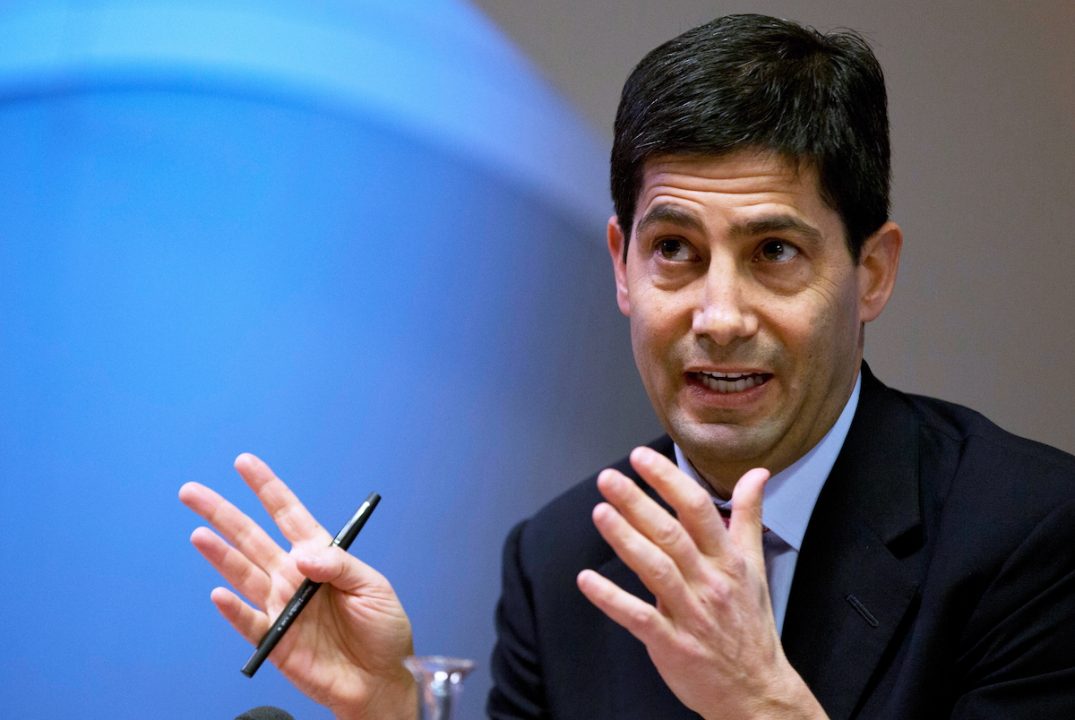
President Donald Trump has nominated Kevin Warsh as the next chair of the Federal Reserve, succeeding Jerome Powell, whose term expires in May. This news cites Warsh’s controversial ties to globalist circles, including his role as a former steering committee member of the Bilderberg Group and his marriage to the daughter of controversial billionaire Ronald Lauder.
Warsh, 55, is no stranger to the Fed. Appointed as a governor by President George W. Bush in 2006, he served until 2011, earning a reputation as a monetary policy hawk who advocated for tighter controls to combat inflation. During the 2008 financial crisis, Warsh was instrumental in crisis management, but post-crisis, he criticized the Fed’s aggressive quantitative easing, arguing it distorted markets and fueled asset bubbles. Critics within conservative circles, however, question his independence, pointing to his involvement with the Bilderberg Group — a secretive annual gathering of global elites who attempt to undermine national sovereignty. His family connections to Lauder, a prominent figure in international finance, further fuel concerns about potential conflicts of interest in steering U.S. monetary policy.
Market Reaction
Market reactions were swift and telling. Upon the news breaking, the U.S. dollar strengthened against major currencies, while Treasury yields climbed, reflecting expectations of a less-accommodative Fed under Warsh. Gold prices tumbled more than five percent, silver followed suit, and Bitcoin dipped three percent, as investors braced for higher interest rates. Stock futures wobbled, with analysts noting that Warsh’s hawkish stance could clash with Trump’s pro-growth agenda, which has often called for lower rates to boost the economy. Ironically, Trump has repeatedly lambasted Powell for not cutting rates aggressively enough, yet Warsh’s history suggests he might prioritize inflation control over stimulus — a potential point of friction.
Another source of possible friction might arise from his misalignment with MAGA values over the subject of immigration. The last Bilderberg meeting, held June 12-15, 2025 in Stockholm, Sweden, had as one of its agenda items “Depopulation and Migration” — the first time that topic had ever been openly discussed in the powerful forum.
Pro-migration
If Kevin Warsh, who attended the meeting, ascends to Fed chair, he could subtly shape his monetary policies to abet more mass migration. Declining birth rates and aging populations — key demographic concerns — threaten labor shortages and slower GDP expansion. Evidence suggests that Warsh is poised to back policies to accommodate unrestricted migration, viewing it as a tool to replenish workforces and sustain growth without the strategic use of inflation by the government. This nomination opens up broader debates about the Federal Reserve’s purpose, as it’s caught between the countervailing pressures of globalism and economic nationalism.
Supporters argue Warsh’s experience would be sold to the public as restoring fiscal discipline. Detractors warn of deeper entanglements with globalist institutions that prioritize international agendas over American interests. If confirmed by the Senate, Warsh’s tenure could mark a pivotal shift. Will Trump’s choice align with “America First” principles, or does it signal a counter-revolution as the “Empire strikes back”? The nomination underscores the enduring tension between economic sovereignty and global influences in U.S. policymaking.