

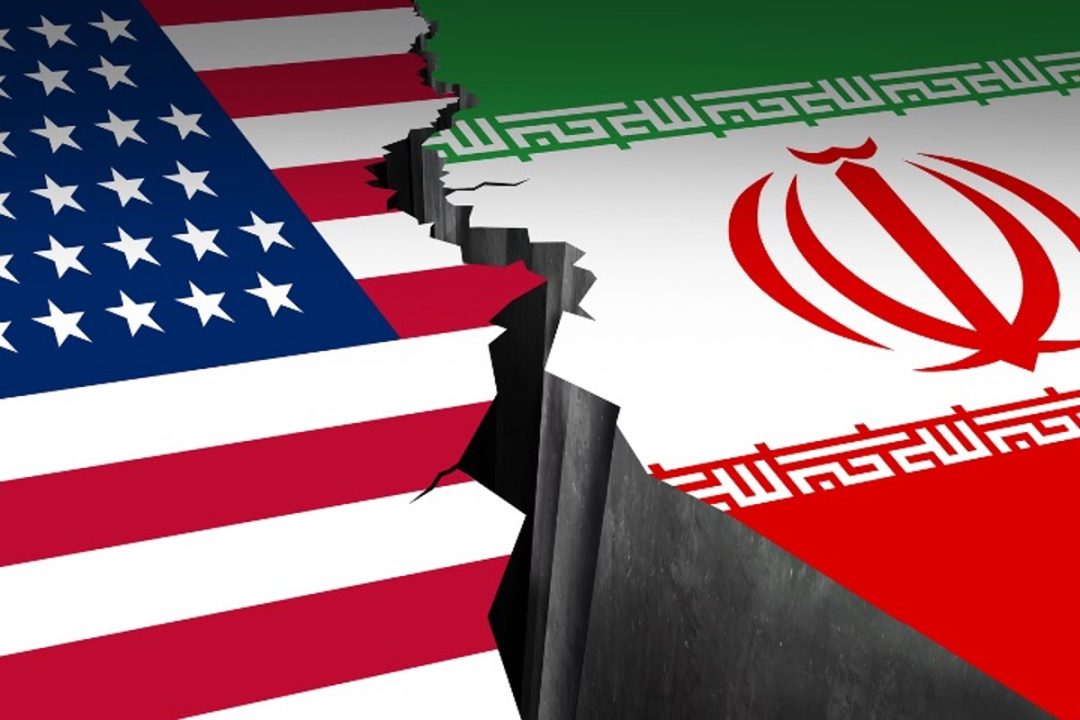
U.S. Forces Prepared for Major Attacks on Iran If Trump Orders Them
The U.S. military — potentially in conjunction with the Israel Defense Forces (IDF) — is preparing to conduct new, major operations against Iran should President Donald Trump give the order, CNN reported Monday.
Two U.S. officials told CNN that U.S. forces were ready to strike “within 96 hours of receiving” Trump’s order. And this time, they said, it will “likely go beyond efforts to simply ‘mow the lawn’ or maintain the status quo by striking radars, launchers and other Iranian assets that can be quickly reconstituted.”
According to CNN:
Iranian forces are now more familiar with US tactics, and it would therefore be harder for the American military to effectively destroy all potential intended targets. However, leaders in US Central Command and the Pentagon have been developing a wide-ranging target list, which includes Iranian energy infrastructure, military sites and nuclear facilities.
On top of that, CNN reported October 15 that the administration is considering dropping the “mother of all bombs” on Iran — not because it is likely to achieve any great strategic objective but because it might give Trump a way to claim victory and end his unconstitutional war.
Dire Strait
With the war hugely unpopular at home, Trump is unlikely to order its escalation prior to the midterm elections. After that, all bets are off. The officials told CNN the president was “leaning toward major action” but added that he’s done that before only to change his mind at the last minute.
U.S. intelligence believes Iran and its Houthi allies are taking the threat seriously. An unclassified October 23 memo from Director of National Intelligence Jay Clayton to Secretary of State Marco Rubio stated that “Iran has ‘substantially increased efforts to target U.S. personnel’ abroad, with plots to kill Americans reaching ‘advanced stages’ in the Middle East and other countries,” reported CBS News.
For this reason, U.S. personnel in the region are being recalled. As of last Friday, non-emergency U.S. embassy employees and their families were ordered to leave Saudi Arabia because of the danger of Houthi attacks. One source told CNN that embassies in other Middle Eastern countries “are expected to receive similar directives.” Likewise, “nonessential US military personnel who were expected to deploy to the Middle East as part of the next troop rotation have been told they are no longer being sent.”
CENTCOM commander Admiral Brad Cooper flew over the Strait of Hormuz Sunday to observe the situation.
“We continue to stand shoulder to shoulder with our Gulf partners and the shipping industry,” Cooper said in a press release. “This visit underscores our strong commitment to continued freedom of navigation through the Strait of Hormuz.”
That freedom, it hardly needs stating, was completely unhindered prior to Trump’s war. Restoring it “is one reason Trump may turn to military action,” one official told CNN.
Bibi Guns for Iran
Yet another reason Trump may order attacks is that the man who allegedly suckered him into starting the war wants him to do so. An Israeli security source told CNN Israeli Prime Minister Benjamin “Netanyahu really wanted and tried to convince Trump for a joint attack in Iran before the elections, and Trump did not give a green light.” (Netanyahu’s office denied the charge, calling it “fake news.”)
There is no doubt that Netanyahu wants to be rid of the current Iranian government. At an IDF officer graduation ceremony last week, he said, “There is only one way to remove this threat once and for all: overthrow the regime in Iran. And that is my directive to the IDF, the Mossad, and the security branches.”
Not everyone in the Israeli government is on board with that directive — at least not right now. According to JFeed.com, after Netanyahu issued an order the IDF believed “could lead to immediate confrontation with Iran” just before the elections, IDF Chief of Staff Eyal Zamir demanded “a full cabinet-level discussion before any action, as well as signed legal documentation and formal authorization from the political echelon.”
Elections are also a major concern here in the United States. Wrote CNN:
Israel was preparing for the possibility of launching additional attacks against Iran in the last week or so and had been lobbying US officials to support and complement those new strikes, [the] source briefed on the matter told CNN. But senior US officials — including Trump — told Israel to hold off, instead signaling the two countries would launch joint operations soon.
Israel appears to have delayed plans in the immediate term for additional strikes but is building up for potential joint operations with the US — likely after the American midterm elections, all of the sources said.
Threat Reassessment
The Israeli elections may already have thrown a monkey wrench into things. As of this writing, Netanyahu’s Likud party is projected to lose 18 seats in the Knesset, while the Yashar party of former IDF Chief of Staff Gadi Eisenkot is forecast to end up with more seats than Likud. Netanyahu’s future as prime minister, therefore, is in serious doubt.
Meanwhile, back in the States, Trump’s response to the drubbing Republicans are expected to endure — and the political headaches a Democrat rout would cause him — is equally uncertain.
But all this discussion about the timing of military action vis-à-vis elections raises an interesting question: If Iran really poses the existential threat that Trump and Netanyahu claim it does, shouldn’t putting an end to that threat posthaste outweigh domestic political considerations?