
Buyouts, Visas, and the American Worker
A trend is coming into focus of top American corporations hiring CEOs from India, who immediately fire large swaths of their American workers and replace them with H-1B visa holders from India. Raj Subramaniam, as the new CEO of FedEx, came under fire for doing this. There’s also Sundar Pichai at Alphabet/Google, Arvind Krishna at IBM, Shantanu Narayen at Adobe, and so forth.
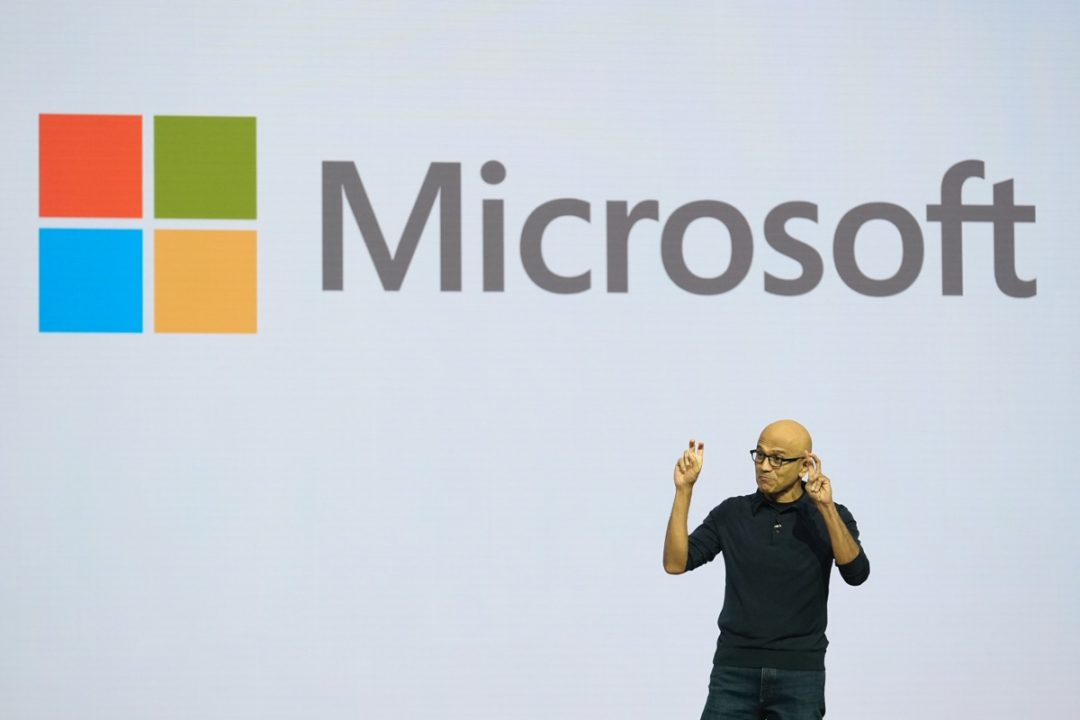
The latest addition to this rogue’s gallery is Microsoft’s Satya Nadella. The company under his leadership announced workforce cuts as the latest in a string of reductions. On October 27, it emerged that the company is offering voluntary buyouts to about 60,000 workers, more than a quarter of its global workforce. If confirmed, that would be by far its largest reduction yet. It follows a buyout offer in April to about seven percent of its U.S. staff — roughly 8,750 people — and the elimination of 4,800 roles announced in July. To deflect from its strategic and abusive usage of the H-1B program, Microsoft frames the cuts as adapting to artificial intelligence.
Firing Americans, Hiring Foreigners
American tech workers want to know why companies shedding U.S. employees keep hiring foreign workers on H-1B visas.
On October 8, Vice President JD Vance accused Microsoft of replacing laid-off Americans with foreign workers, saying that for each worker let go, the company “replaced that worker with one and a half foreign indentured servants.” The data are more complicated. Microsoft received about 6,258 H-1B approvals in fiscal 2025.
FedEx faced a similar backlash in December 2025. After it filed to eliminate 856 jobs at a Texas facility, critics pointed to its rising H-1B filings — 436 petitions in fiscal 2025.
In 2015, Disney laid off about 250 IT workers, some of whom were required to train their foreign replacements, who were brought in through outsourcing contractors on H-1B visas. Southern California Edison faced similar accusations. Critics across the political spectrum have long argued that the program lets companies replace experienced Americans with cheaper, visa-dependent labor. Workers whose legal status depends on their employer are less able to quit or bargain for higher pay.
Administration Response
In September 2025, the administration imposed a $100,000 fee on new H-1B petitions, aiming to discourage exactly that type of substitution.
The Trump administration, worried about the big picture, is demanding that companies recruit Americans first, prohibiting H-1B hiring for roles cut in recent layoffs, raising wage floors so visas aren’t a discount, and closing outsourcing loopholes. American workers deserve the assurance that “restructuring” doesn’t mean replacing them.
This article is part of The New American’s weekly online newsletter Insider Report, which is emailed to TNA subscribers each week. Click here to subscribe to The New American to receive the Insider Report and access exclusive content.