
Pentagon Break With Ivy League Signals a Battle Over Who Controls Culture
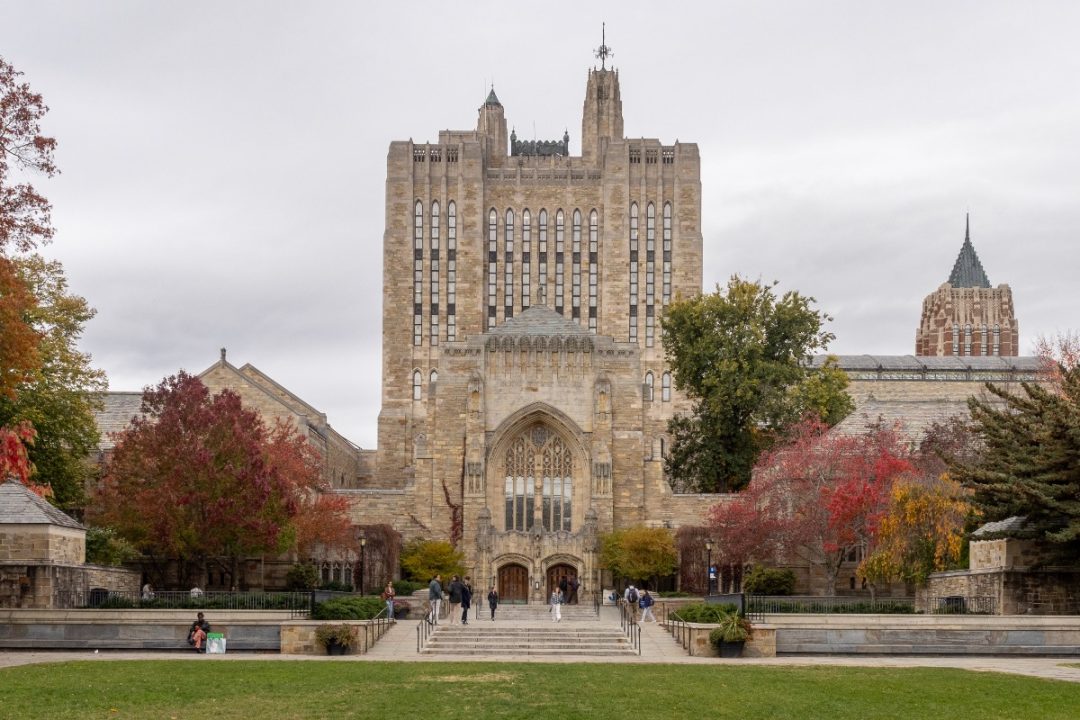
Defense Secretary Pete Hegseth announced that the Department of Defense (or War) would completely cancel military attendance at Princeton, Columbia, MIT, Brown, Yale, and many other universities, effective the 2026-2027 academic year. The move followed a similar one three weeks earlier in which ties were cut with Harvard. “For decades, the Ivy League and similar institutions have gorged themselves on a trust fund of American taxpayer dollars, only to become factories of anti-American resentment and military disdain,” Hegseth said in a video statement. “They’ve replaced the study of victory and pragmatic realism with the promotion of wokeness and weakness.”
Pentagon data showed only 39 service members using Harvard’s Tuition Assistance program in 2023, nine at Columbia, and two at MIT. But the symbolic stakes are large. These schools have long supplied senior military officers with graduate-level strategic education alongside the military’s own war colleges, and Hegseth’s order demands that senior service colleges “sharpen our war fighters on genuine national security issues, not social justice activism.” President Donald Trump’s administration has already cut billions in federal research funding to Ivy League schools over what it calls their embrace of “woke” ideology and DEI (diversity, equity, and inclusion) policies.
Foundation/NGO Funding
The fight over what elite universities teach is not new, and it traces back to a less-examined actor: the major philanthropic foundations that have funded, shaped, and staffed American higher education for over a century. Edward H. Berman’s The Influence of the Carnegie, Ford and Rockefeller Foundations on American Foreign Policy argues that foundation support for universities “has given the foundations great leverage in the production and dissemination of knowledge. They are critically situated to play pivotal roles in determining what knowledge, what ideas, what views of the world receive support and become incorporated into the society’s general discourse.”
Berman draws on sociologist Lewis Coser’s 1965 observation that major foundations function as “gatekeepers of ideas” — using their discretionary resources to fund what they wish and starve what they wish, instead of censoring anything outright. This quiet setting of boundaries is popularly known as the Overton window. As Berman puts it, “those who control the production and dissemination of culture and ideas influence, to a great degree, the way in which people view the world and the commonsense categories into which they organize their knowledge.”
John Boli and George M. Thomas, in Constructing World Culture: International Nongovernmental Organizations Since 1875, make a parallel argument on the global stage. Political scientists, they note, fixate on states, transnational corporations, and intergovernmental organizations as the “dominant global actors … capable of wielding military, economic, and political power.” International NGOs, by contrast, are “much less well conceptualized actors whose primary concern is enacting, codifying, modifying and propagating world-culture structures and principles” — shaping norms and values not by passing laws, but by shaping the raw material that laws eventually get built from.
Deeper Conflict
That is the deeper conflict Hegseth’s order indicates: a struggle between representative government, accountable to the people, and a philanthropic-academic complex accountable mainly to an international oligarchical class over who gets to define the culture that legislatures and courts later ratify. If politics really is downstream of culture, then the institutions that fund culture’s production — not the ones that merely legislate afterward — hold the more durable form of power. The Pentagon’s break with the Ivy League is a strike at the most visible, downstream symptom of that arrangement. Whether it can meaningfully reach the upstream foundations funding the culture in the first place is a separate question.
This article is part of The New American’s weekly online newsletter Insider Report, which is emailed to TNA subscribers each week. Click here to subscribe to The New American to receive the Insider Report and access exclusive content.