

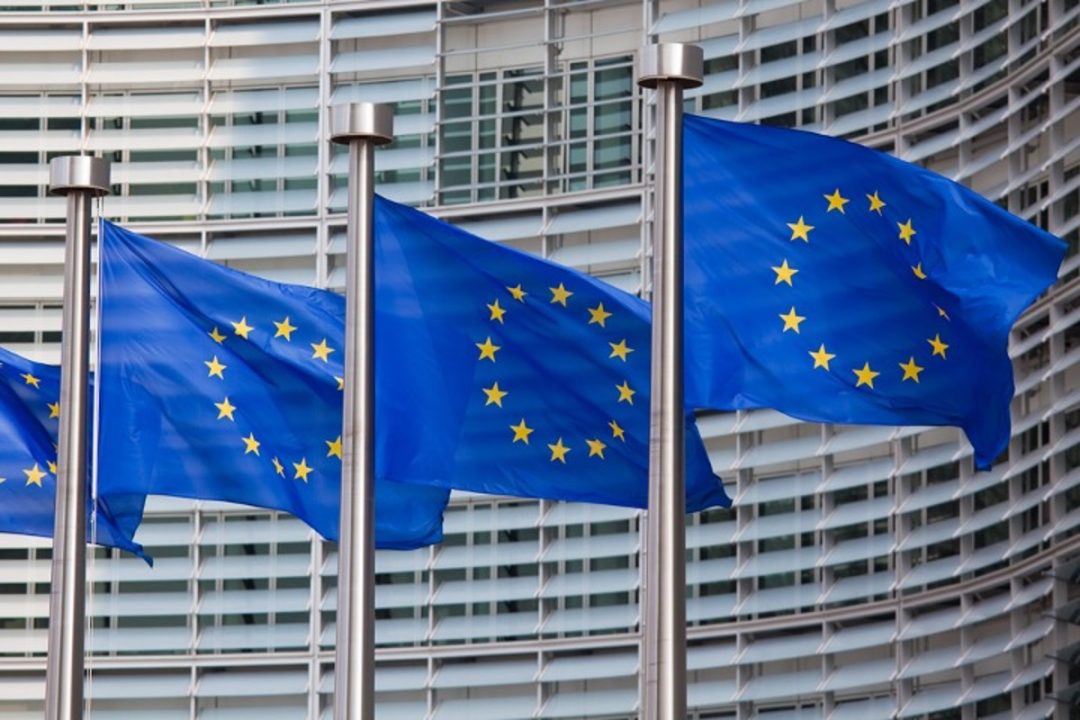
EU Seeks to Impose New Taxes, Expanding Its Power
The European Union is seeking to impose new, EU-wide taxes in an effort to raise revenue. If realized, this would result in yet another major expansion of the bloc’s power at the expense of its member states’ sovereignty.
Newly Proposed Levies
The European Commission, the EU’s executive branch, is currently preparing its 2028-2034 long-term budget, which is expected to cost nearly €2 trillion, or $2.3 trillion, altogether. To help finance the budget, which significantly increases spending over the 2021-2027 long-term budget, the commission is attempting to convince EU member states to approve new EU-level taxes.
According to Politico, “the Commission proposed five new levies [in 2025] — targeting carbon imports, emissions, non-collected electronic waste, corporate profits and tobacco products — worth €66 billion per year to finance the budget.” The fourth proposal, also known as a “digital services tax,” comes amid United Nations efforts to standardize taxation on corporations without a physical presence in a certain location. However, member states have so far approved only the carbon-import and electronic-waste taxes, and appear skeptical of the remaining proposals.
Under the EU’s current structure, member states must unanimously approve any new taxes. António Costa, president of the European Council, has been meeting with national leaders to secure support for additional taxes, and EU leaders plan to discuss the proposals during an October 15 summit.
Financial Independence Equals Power
Politico noted that “national capitals are reluctant to hand more taxing powers to the European Commission and agree to new levies that would hit some countries harder than others.” If anything, this concern is vastly understated. In order to truly become a strong, unified regional government — as it has sought to do from the very beginning — the EU must acquire revenue streams independent from the contributions of its member states. With the power to directly levy taxes, the EU will lose any remaining dependence on its member states and be able to fully eliminate their sovereignty. The bloc is already looking to take more power for itself on issues such as migration and the single market.
This trend from national to global taxes is also occurring at the United Nations. Although last year the U.S. government pressured the UN’s International Maritime Organization into postponing consideration of a global carbon tax on shipping, the global body is likely to consider the proposal at a later date. Meanwhile, the UN’s International Civil Aviation Organization is considering a global carbon tax on aviation fuel.
These global taxes demonstrate the dangers of international and supranational organizations such as the UN and EU. Rather than remaining in these organizations — and allowing them to gradually extinguish national sovereignty — the United States and other countries must restore their independence by exiting them.
This article is part of The New American’s weekly online newsletter Insider Report, which is emailed to TNA subscribers each week. Click here to subscribe to The New American to receive the Insider Report and access exclusive content.