

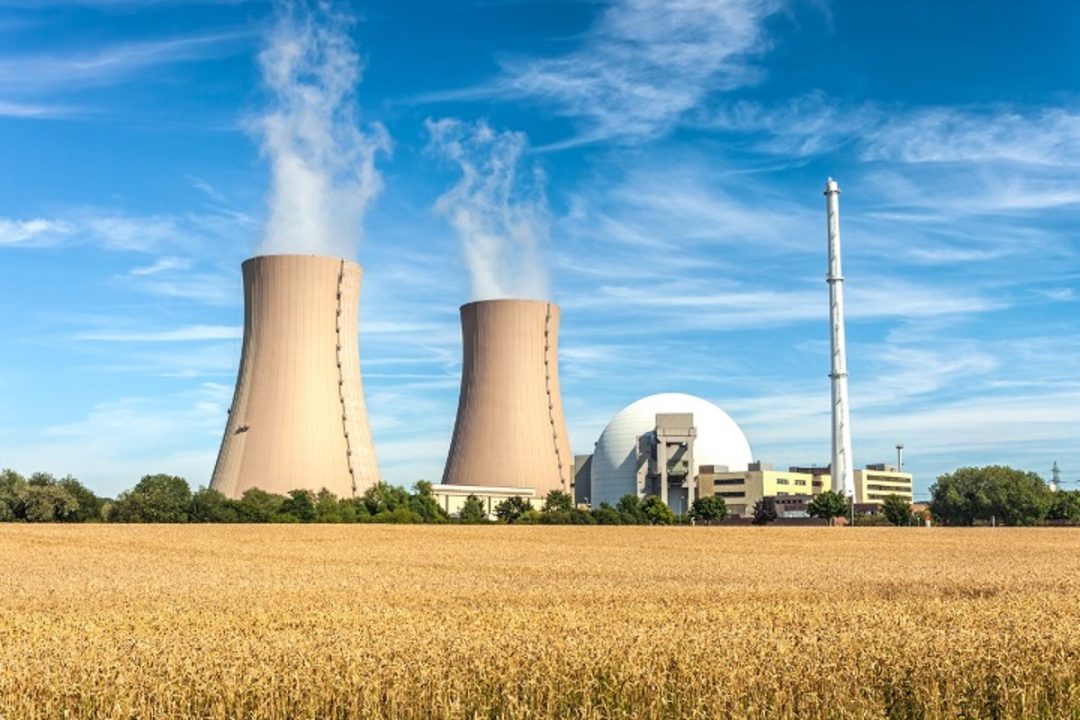
NRC Ends ALARA, Boosts Nuclear Energy
The U.S. Nuclear Regulatory Commission (NRC) has proposed one of the most significant changes to nuclear regulation in decades by moving away from the long-standing ALARA principle — short for “As Low As Reasonably Achievable.” Although the phrase sounds sensible, the standard has imposed enormous costs on nuclear power while producing no measurable improvement in public safety.
“Reasonably Achievable”
Since the early 1990s, the NRC has required nuclear facilities not merely to keep radiation below legal limits, but to reduce exposure even further whenever it is considered “reasonably achievable.” In practice, this has meant adding expensive engineering features and procedures to reduce radiation doses that are already well below levels known to cause harm.
The NRC now proposes replacing that approach with one that allows regulators and plant operators to weigh the costs of further reducing radiation against any actual safety benefit. According to the agency, the change is expected to save the nuclear industry millions of dollars annually while modernizing reactor licensing.
The proposal addresses one of the chief complaints of nuclear engineers and energy advocates: that excessive regulation has made nuclear plants far more expensive to build and maintain than necessary.
“No Threshold”
However, more needs to be done. ALARA is based on the Linear No-Threshold (LNT) model. Under this theory, any amount of radiation, even an extremely tiny dose, is assumed to risk causing cancer or other maladies. The lower the dose, the lower the risk, but the risk is never considered to be zero.
Many radiation scientists dispute that model. No convincing evidence has shown adverse health effects from the low radiation levels typically encountered around nuclear facilities. In fact, there is much evidence to the contrary. The NRC’s current annual public exposure limit is 1 millisievert (mSv), while many experts note that harmful effects have not been demonstrated at doses anywhere near that low.
Fears Exceed Actual Danger
This distinction is important because radiation is a natural part of everyday life. People absorb ionizing radiation from food, cosmic rays, rocks and soil, medical imaging, and even each other. Residents of some regions naturally receive several times more background radiation than people elsewhere without suffering higher cancer rates. Public fears about radiation far exceed any danger.
The 2011 Fukushima nuclear accident in Japan, for example, generated media-induced worldwide alarm. Yet numerous scientific investigations concluded that the radiation released has not and will not cause death or disease among the general population. The tragedy resulted not from radiation exposure, but from the earthquake, tsunami, and stress of mass evacuations. Yet the term Fukushima still connotes terrifying radiation effects.
LNT Still in Place
Even though the NRC is pitching ALARA, it is stubbornly adhering to LNT. If federal regulations continue to rely on that erroneous model, many costly requirements will remain in place. The NRC estimates that modifying ALARA will save roughly $9.5 million annually; some analysts believe removing the foundational LNT standard could reduce costs by tens of billions of dollars over the coming decades.
Opponents argue that maintaining conservative radiation standards provides an important safety margin and helps preserve public confidence in nuclear power. We would instead argue that it does nothing to improve safety, harms health, perpetuates irrational fears, increases costs, and prevents consumers from enjoying the most reliable, economic, efficient, and safe form of power generation available on the planet.
This article is part of The New American’s weekly online newsletter Insider Report, which is emailed to TNA subscribers each week. Click here to subscribe to The New American to receive the Insider Report and access exclusive content.