South Dakota Legislators to Consider “Safeguards” on License-plate Readers
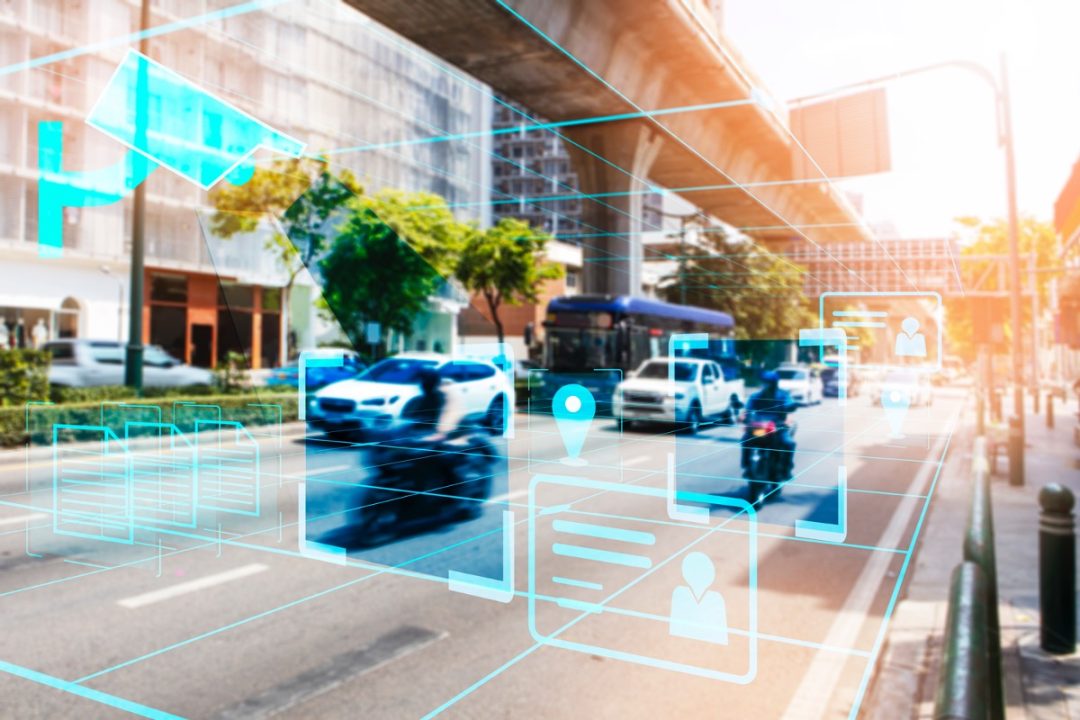
The South Dakota Legislature is expected to consider legislation to enact “safeguards” on license-plate readers (LPRs).
On August 12, South Dakota Attorney General Marty Jackley announced that he would propose legislation “to ensure that License Plate Reader (LPR) technology is used solely for legitimate law enforcement purposes with strong protections for the public’s privacy.”
Jackley’s press release claimed that “LPRs have proven valuable in helping investigators solve serious crimes and for public safety,” but that “their use must be balanced with clear, responsible limits.” Specifically, he called for “limiting LPR use to legitimate investigative purposes and requiring the destruction of data within an established period of time.”
In a Facebook post, Jackley noted that the Legislature would consider his proposal during its 2027 regular session. He also told local news website South Dakota Searchlight that he would work with Lance Russell, his presumptive successor as attorney general next year, in the legislative effort.
Is It Enough?
Although Jackley’s proposal sounds good, enacting “limits” on LPRs is not enough — state legislators must ban them. The use of LPRs undermines the Fourth Amendment’s protection of “the right of the people to be secure in their persons, houses, papers, and effects, against unreasonable searches and seizures.”
Additionally, The New American has reported about Flock LPRs:
Flock has received sizable pushback for operating under bad licenses, misreading plates, and getting vehicle “fingerprints” wrong, leading to innocent citizens being stopped and harassed. The tech is even being weaponized by law enforcement to stalk people.
The use of LPRs is also expanding the federal surveillance state. As the Tenth Amendment Center reported:
As reported in The Wall Street Journal, the [federal Drug Enforcement Administration (DEA)] operates the National License Plate Reader Program (NLPRP). The system tracks the location of millions of vehicles through data provided by ALPRs [automated license-plate readers] operated on a state and local level. They’ve engaged in this for over a decade, all without a warrant. There wasn’t even public notice of the policy until 2019.
As confirmed by the NLPRP itself, state and local law enforcement agencies partner with the DEA. State and local authorities operate most of these tracking systems, often paid for by federal grant money. The DEA then taps into the local database to track the whereabouts of millions of people — for the “crime” of driving — without having to operate a huge network itself.
Since a majority of federal license plate tracking data comes from state and local law enforcement, laws banning or even restricting ALPR use are essential. As more states pass such laws, the result becomes more clear. No data equals no federal license plate tracking program.
The growing use of LPRs is an example of an emerging “algorithmic state” directed by the federal government. They blatantly threaten individual liberty and privacy, and any limited “benefits” are clearly outweighed by their dangers.
Giving Up Liberty for Safety
As Benjamin Franklin famously declared, “They who can give up essential liberty to obtain a little temporary safety, deserve neither liberty nor safety.” State legislators must boldly protect “essential liberty” and resist the urge to “obtain a little temporary safety.”
South Dakota residents can use The John Birch Society’s legislative alert to contact their state lawmakers. All Americans are encouraged to contact their own legislators in opposition to LPRs and other forms of mass surveillance.
This article is part of The New American’s weekly online newsletter Insider Report, which is emailed to TNA subscribers each week. Click here to subscribe to The New American to receive the Insider Report and access exclusive content.