Senators Aim to Repeal Selective Service Before Automatic Registration Can Begin
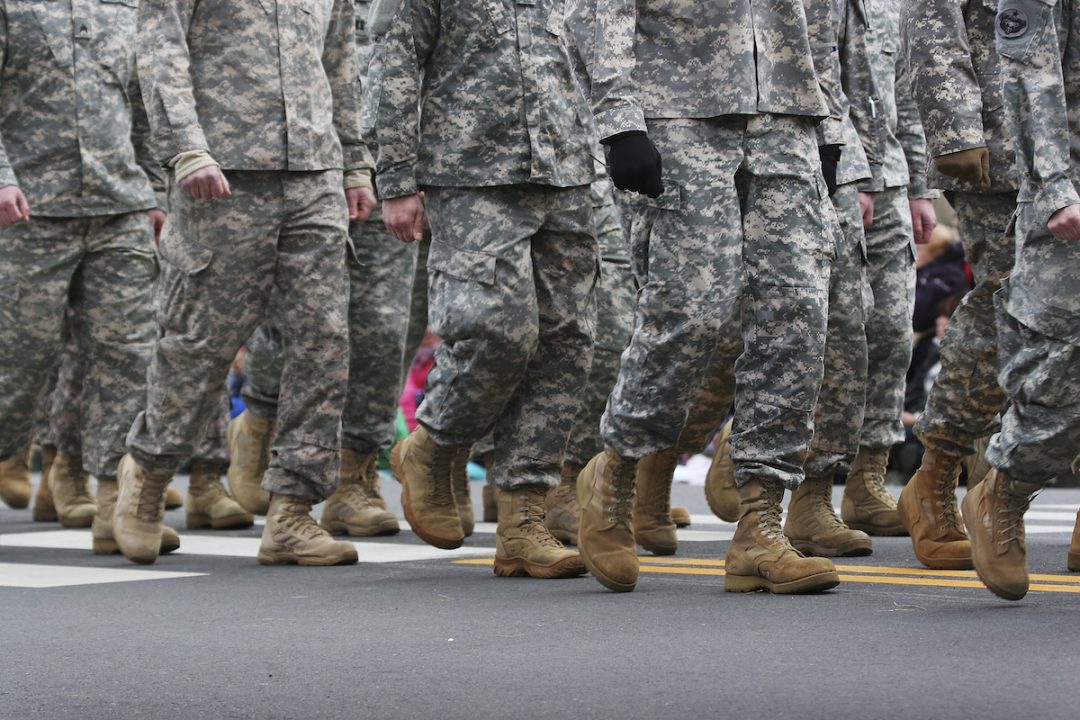
A bipartisan group of senators is hoping to head off the looming automatic draft-registration process by repealing the Military Selective Service Act.
Introduced May 14 by Senator Ron Wyden (D-Ore.) and cosponsored by Senators Rand Paul (R-Ky.) and Cynthia Lummis (R-Wyo.), the Selective Service Repeal Act would scrap the mandate that American males register with the Selective Service System (SSS) upon their 18th birthday.
Cash Register
Although there has not been a draft since 1973, young men have continued to be forced to register with the SSS just in case the government decides to reinstitute conscription someday.
To keep up with all this, the SSS burns through more than $31 million a year.
“The Selective Service is an outdated program that costs millions of taxpayer dollars to prepare for a military draft that Americans don’t want or need,” Wyden said in a press release. “Our volunteer military forces are the strongest in the world, and there is no need to replicate the same draft that sent two million unwilling young men to war 50 years ago.”
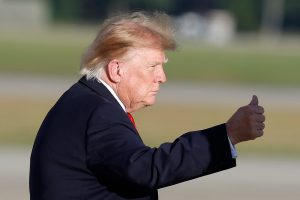
Preparing for a draft certainly seems to be on the minds of Congress and President Donald Trump. The National Defense Authorization Act (NDAA) Trump signed in December calls for the SSS to “automatically” register all eligible males when they turn 18. On March 30, the SSS submitted a proposed rule to carry out this mandate.
Automatic Weapon
Beginning in December, the SSS will be authorized to obtain data from other federal and state agencies and then use this information to determine whom to register. “It can also,” reported The New American, “require individuals to provide information needed to determine registration status or complete the registration process.”
Furthermore:
The law does not activate a draft by itself. Congress must still authorize conscription. But it strengthens the underlying machinery. It gives the government a more direct way to identify, register, and track those it may one day seek to induct.
To make that possible, the agency must build a far more comprehensive dataset than it currently holds. That is where the problem begins.
“The SSS ‘already knows who needs to register, supporters contend,’” [anti-SSS activist Edward] Hasbrouck wrote. “That’s not true.” Whether an individual is required to register depends on several factors defined by law. These include sex, age, citizenship or immigration status, and whether the person is residing in the United States. Those facts are not consistently captured across federal databases. As for address data, the government has no legitimate business demanding constant awareness of where people live. As Hasbrouck notes, “U.S. citizens … aren’t normally required to report to any Federal or state agency when they change their address.”
The likely result is error.
Old addresses persist. Records conflict. Key attributes may be missing or misclassified. A person may be wrongly registered, wrongly excluded, or flagged for additional scrutiny. Hasbrouck’s warning is direct: “The ‘automatic’ registration process will be intrusive and error-prone, and the list will be highly vulnerable to misuse.”
Pernicious Purposes
“I’ve long stated that if a war is worth fighting, Congress will vote to declare it and people will volunteer,” said cosponsor Paul. “This outdated government program [Selective Service] no longer serves a purpose and should be eliminated permanently.”
With all due respect to the gentleman from Kentucky, Selective Service has always served at least one purpose: ensuring the government a ready supply of young men to fight its never-ending wars should the pool of volunteers dry up. Indeed, the Trump administration has refused to rule out reinstituting the draft even as automatic registration is set to commence and Trump’s various military adventures — potentially soon to include Cuba — rage on.
By significantly expanding the already-vast surveillance state, automatic registration will serve yet another purpose, namely keeping young men under Uncle Sam’s thumb regardless of whether they are ever drafted. “A government with detailed, integrated records gains enormous leverage,” observed The New American. “It can find and monitor those young men more closely, pressure them more easily, and reduce the practical space for resistance.”
As Hasbrouck put it Monday:
The garbage-in, garbage-out process of automated and involuntary registration won’t produce a list that’s complete, accurate, or fit for the purpose of reliably and provably delivering induction orders. But it will allow war planners to continue to pretend that a draft is available as a fallback, so they don’t have to consider whether enough Americans will fight the wars they are planning, even if they prove bloodier than expected. And it will produce a list that’s vulnerable to misuse and weaponization.
Penalty Blocks
In addition to doing away with draft registration, the Selective Service Repeal Act prohibits both federal and state governments from taking adverse action against those who refused to register with the SSS while such registration was mandatory. Such penalties can include fines, imprisonment (Hasbrouck spent four-and-a-half months behind bars for failing to register and publicly opposing registration), and denial of government employment and benefits.
The bill has been introduced in each congressional session since 2019 without ever receiving a hearing or floor vote in either house. Hasbrouck’s opinion is that it probably won’t pass on its own this session, but might succeed if it’s included in the next NDAA. However, given that most of the people who voted for the last NDAA with its automatic-registration provision are still in office, the chances of repealing Selective Service altogether are slim.