
Florida Locks Illegal Aliens Out of Public Higher Education
Florida’s State University System Board of Governors voted unanimously on September 3 to bar people in the country illegally from enrolling at any of the state’s 12 public universities, effective with the 2027-2028 academic year. The new rule states that any person “who is present in the United States unlawfully” will no longer be eligible for admission. It applies only to new applicants; current students already enrolled will not be affected. The measure passed without discussion as part of the board’s consent agenda, following a 15-minute public comment period at Florida Gulf Coast University in Fort Myers.
The university ban is the second half of a coordinated policy push. It follows a nearly identical rule the Florida Board of Education adopted in June to bar undocumented students from the state’s 24 public colleges and GED programs. Together, the two rules close off Florida’s entire public postsecondary system to foreigners trying to benefit from a crime.
Executive Action
Notably, this policy shift did not come from the state’s Legislature. Republican lawmakers introduced bills during the 2026 regular session to impose similar restrictions statewide, but those measures stalled and died in committee. Unable to secure a legislative majority, Governor Ron DeSantis’ appointees on the Board of Governors and Board of Education adopted the policy administratively instead. State Representative Robin Bartleman and open-borders advocacy groups have argued that this amounts to the executive branch enacting through regulation what elected lawmakers declined to pass — a separation-of-powers objection that Florida’s Republican-led Joint Administrative Procedures Committee would have to act on to have any practical effect. However, the Legislature did repeal a 2014 law last year that had granted illegal students and DACA recipients in-state tuition rates.
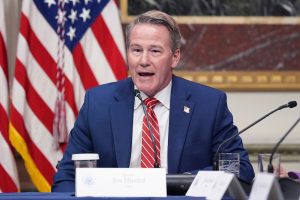
Lieutenant Governor Jay Collins defended the rule as “common sense,” writing that “Florida’s public universities are for students who are here legally. Period…. Florida taxpayers should not be expected to subsidize opportunities for people who broke our laws to come here.”
Application and Implementation Remain Unclear
The State University System, which enrolls more than 430,000 students across its 12 institutions, does not currently track which of them lack legal immigration status. In fall 2025, the University of Florida reported nearly 4,800 “non-resident alien” students, a category that included international students on visas and did not specify how many were in the country illegally. Statewide, Florida is home to an estimated 1.2 million foreigners in the country illegally, roughly five percent of the state’s population, according to Pew Research Center estimates. How universities intend to verify legal status at the point of admission remains an open question.
This article is part of The New American’s weekly online newsletter Insider Report, which is emailed to TNA subscribers each week. Click here to subscribe to The New American to receive the Insider Report and access exclusive content.