
Vol. 42, No. 12
12/01/2026
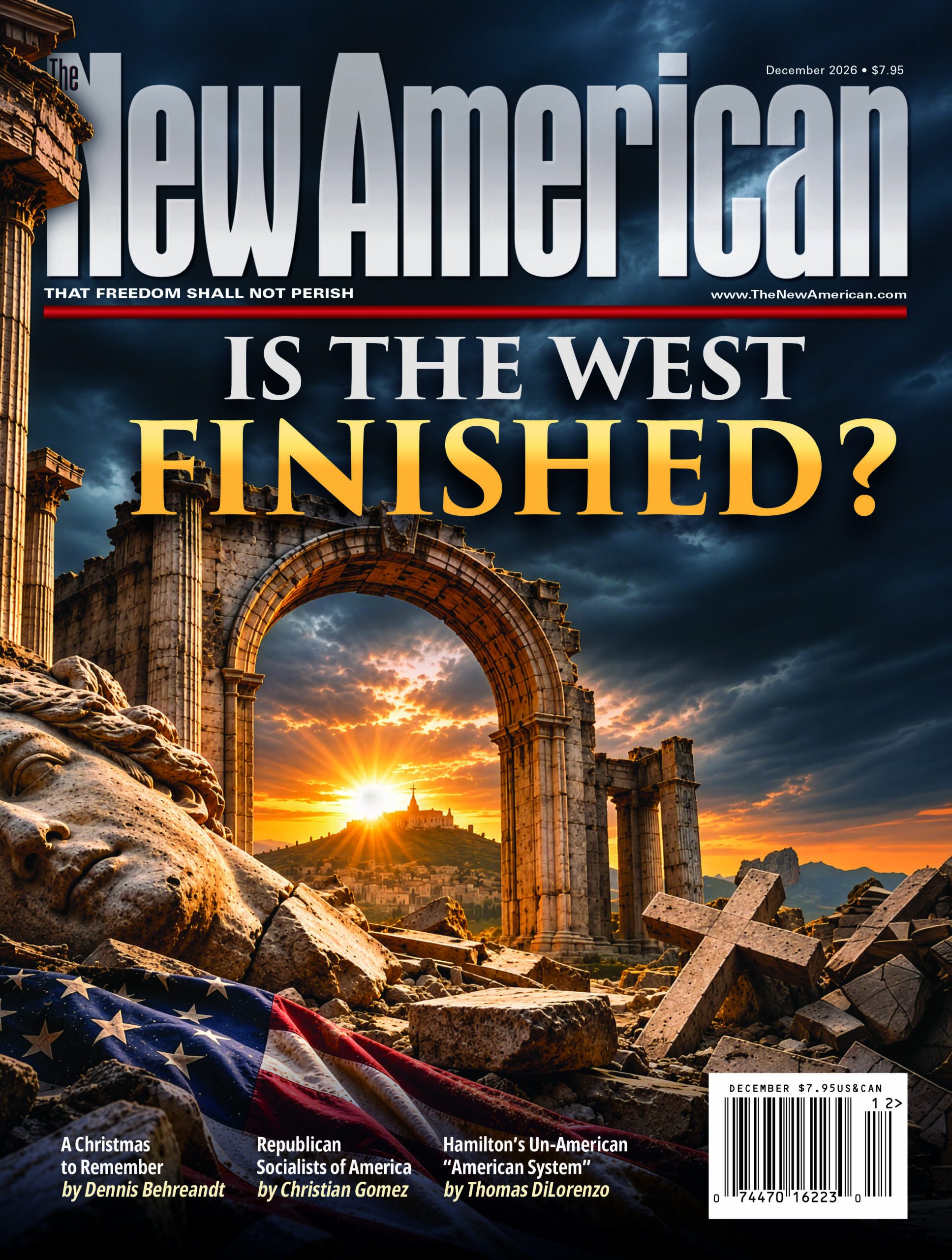
Hamilton’s Un-American “American System”
AT A GLANCE
• During the early American Republic, economic debate centered on disputes between the Hamiltonians and Jeffersonians.
• Hamiltonians wanted a government of politically connected corporations.
• They repackaged the old British mercantilist system as the “new” American system.
• Under the Lincoln administration, the Hamiltonians got most of what they wanted.
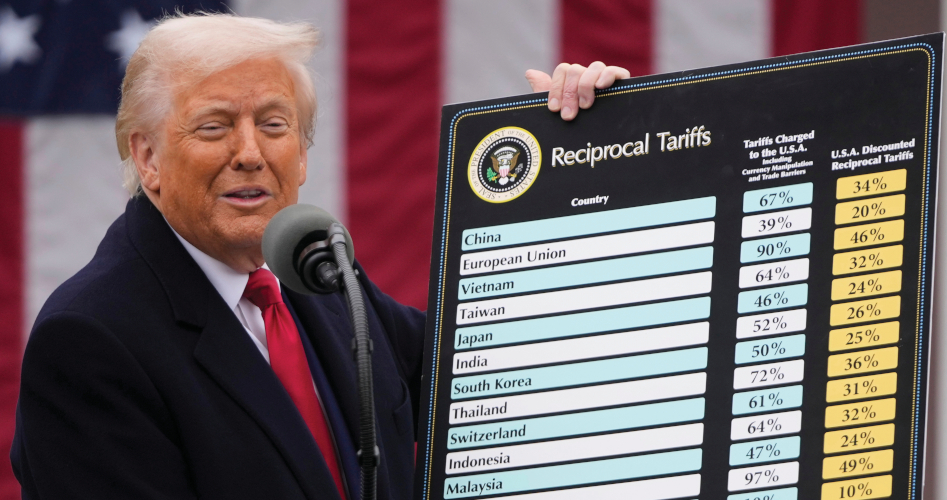
When President Donald Trump gave his first speech on economic policy during his first term, he chose Lexington, Kentucky, as his venue. Lexington was chosen because it was the home of his ostensible economic-policy role model, Henry Clay, the early 19th-century leader of the Whig Party and speaker of the House of Representatives. Clay is known as a career-long advocate of what Alexander Hamilton dubbed the “American System,” which was comprised of high protectionist tariffs, a national bank controlled by politicians and modeled after the Bank of England, and what we today call “corporate welfare” — taxpayer-funded subsidies to politically connected corporations. Today this collection of anti-free market, statist, and interventionist policies goes under the rubric of “economic nationalism.”
Treasury Secretary Scott Bessent, a longtime George Soros employee, has also lavishly praised Hamilton and his “American System.” He has said that Hamilton’s “system” inspires President Trump’s “statecraft.”
Not everyone is or has been a Hamilton worshipper, however, contrary to the image created by that corny Broadway play about the first treasury secretary. During the first 80 years of the American Republic, economic-policy debate centered on disputes between Hamilton and the Hamiltonians on the one hand, and Thomas Jefferson and the Jeffersonians on the other. The Hamiltonians essentially wanted a government of politically connected corporations, by politically connected corporations, and for politically connected corporations. It was the Jeffersonians who opposed political plunder of consumers with protectionist tariffs, the dangerous politicization of the money supply with a nationalized bank, and the use of tax revenues to bail out failed businesses and subsidize politically connected ones. It was not until the Lincoln administration — 57 years after Hamilton’s death — that almost all of this was put into place.
Premium Content
Sign in with your ShopJBS.org account to read the full article, or subscribe below for unlimited digital access.
Log In to Continue Reading
- 12 Issues Per Year
- Digital Edition Access
- Digital Insider Report
- Exclusive Subscriber Content
- Audio provided for all articles
- Unlimited access to past issues
- Cancel anytime
- Renews automatically
- 12 Issues Per Year
- Print edition delivery (USA) *Available Outside USA
- Digital Edition Access
- Digital Insider Report
- Exclusive Subscriber Content
- Audio provided for all articles
- Unlimited access to past issues
- Cancel anytime
- Renews automatically