

Power Companies Leverage Eminent Domain to Clear Land for AI Data-center Transmission Lines
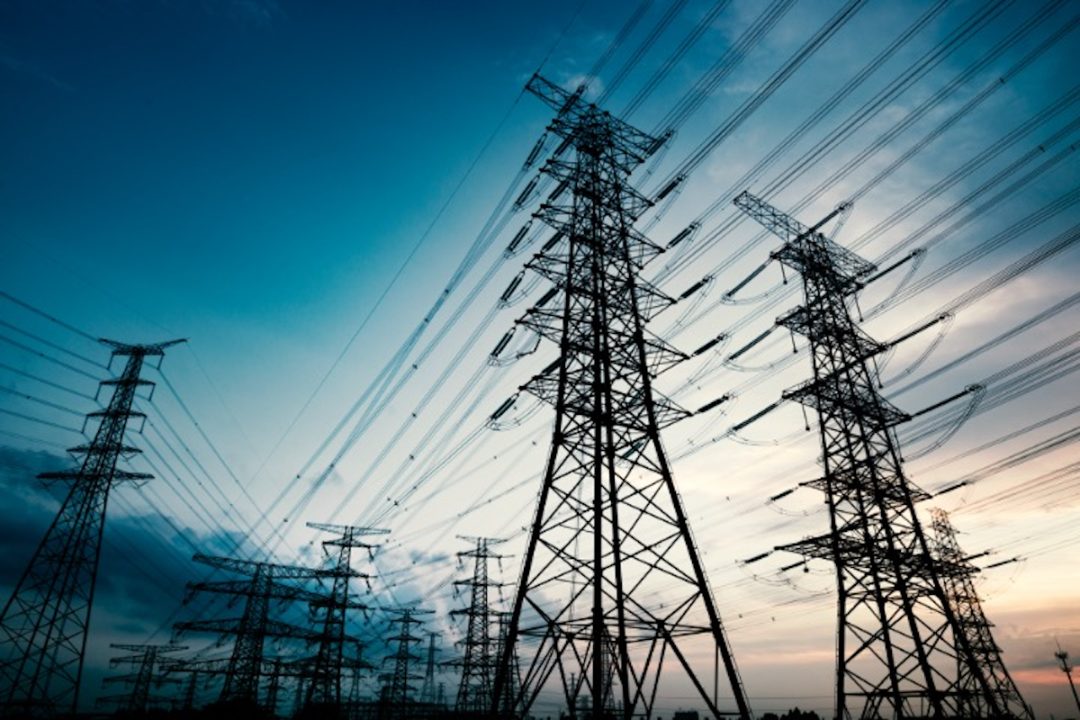
As the artificial-intelligence boom drives explosive demand for computing power, utilities across the United States are turning to eminent domain to secure rights-of-way for new high-voltage transmission lines. Private landowners, including families with generational homes and farms, face the prospect of forced property sales or seizures to accommodate infrastructure primarily serving energy-hungry data centers.
Georgia Power
A prominent example is unfolding in Georgia, where utility giant Georgia Power is building a new 500-kilovolt transmission corridor known as Project Wansley. The project spans roughly 35 miles and requires acquiring or obtaining easements on more than 300 parcels of land in Coweta and Fayette counties. The company estimates that 70 to 80 percent of the power capacity on the new line will support data centers, with the remaining 20 to 30 percent allocated for residential and commercial growth.
Ansley Brown, whose family home in Coweta County is among those affected, described the situation as devastating. Built during her childhood, the house represented “true generational wealth.” After negotiations, her mother agreed to sell to avoid court-ordered seizure. Brown called the process “theft,” noting the imbalance of power against a major utility. “We don’t have the money to fight Georgia Power,” she told CBS News.
Pre-Civil War Railroad Companies
Eminent domain allows governments or authorized entities, such as regulated utilities, to take private property for public use with “just compensation.” Utilities argue that grid expansion serves a broad public purpose by enhancing reliability and meeting overall energy demand, even when large industrial loads such as data centers are the primary drivers.
Railroad companies serve as historic precedent. Prior to the Civil War, they frequently received delegated eminent-domain authority from states to overcome holdout problems, allowing them to secure rights-of-way for lines that promised connectivity, commerce, and growth. Authorities saw the expansion of supply chains as critical to the national economy. In a foreshadowing of today’s AI dilemma, railroad companies would line their corridors with telegraph wires, abetting long-distance communication. So ambitious were they to build out this infrastructure that they trampled the rights of Southern farmers and landholders, tensions that helped lead to the Civil War.
Landowners then, as now, decried inadequate compensation, disruption of generational holdings, and the prioritization of powerful corporate interests over average people. In fact, Abraham Lincoln was a railroad lawyer whose early Senate runs and presidential campaigns were bankrolled by railroad trusts.
A National Problem
Today, Georgia Power states it uses eminent domain only as a last resort, typically in less than one percent of transactions, and prefers negotiated purchases. Spokesperson Holly Lovett has emphasized transparency and good-faith efforts.
The Georgia case is part of a larger $16 billion grid expansion plan approved by state regulators, including nearly 10 gigawatts of new generation capacity to address surging demand. Similar tensions are emerging nationwide. In Virginia, Washington, Pennsylvania, Maryland, and elsewhere, projects tied to hyperscale data centers operated by major tech firms have sparked landowner opposition. Homeowners and farmers report offers they view as undervalued, as well as concerns over property devaluation, tree removal, visual impacts from tall towers, and the prioritization of corporate interests.
Landowners such as those in Georgia are raising awareness through social media and community efforts, arguing that the human and community costs — displaced families, lost farmland, and altered rural landscapes — deserve greater scrutiny.
This article is part of The New American’s weekly online newsletter Insider Report, which is emailed to TNA subscribers each week. Click here to subscribe to The New American to receive the Insider Report and access exclusive content.