Allegations of Secret Gulf Funds Revive Scrutiny of Jared Kushner
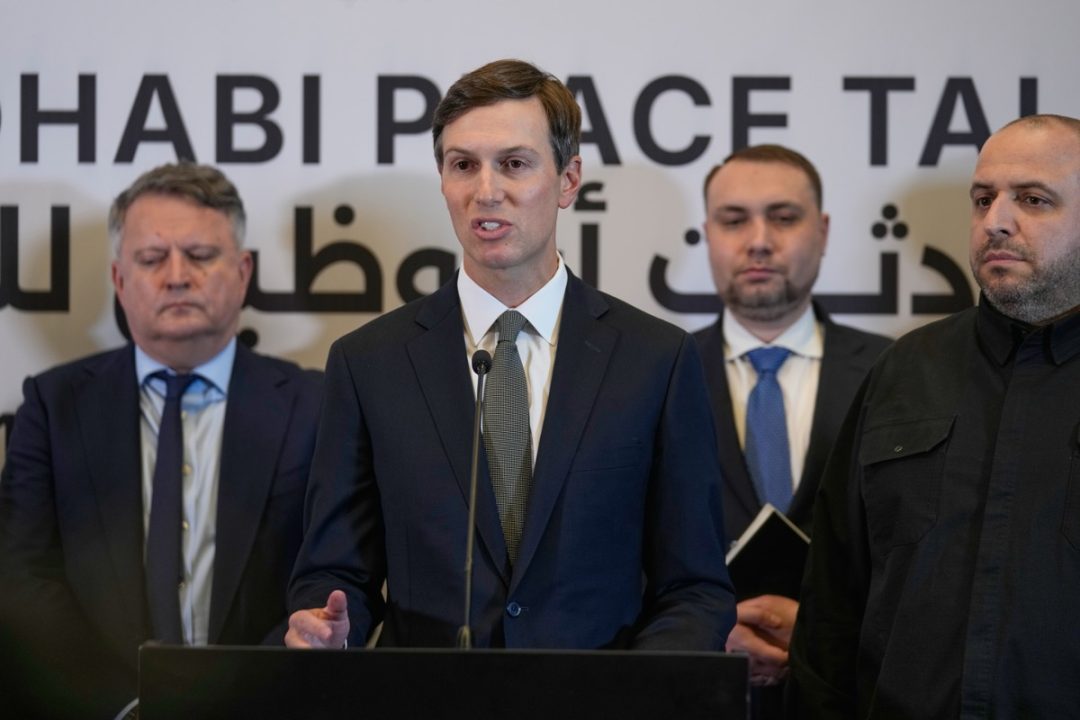
Troubling claims in a new book have thrust Jared Kushner back into the spotlight, alleging that Dutch military intelligence monitored his hacked phone in 2018 and observed access to foreign bank accounts holding hundreds of millions, potentially totaling around $2 billion, from Saudi and Emirati sources. The accusations, detailed in an excerpt from Matthew Cole’s Princes and Thieves published by Vanity Fair, raise questions about influence, disclosure, and the unusual structure of current U.S. diplomacy under President Donald Trump.
The Allegations
According to the book, Dutch Military Intelligence and Security Service (MIVD) officers gained access to Kushner’s iPhone after flipping a Russian GRU operative who had previously compromised the device. From early 2018, the Dutch could view Kushner’s screen activity. They reportedly saw him log in to a Dubai-based account at First Abu Dhabi Bank, linked to a UAE government-funded foundation, that held roughly $750 million. Funds had been routed through Azerbaijan from the royal families of Saudi Arabia and the United Arab Emirates. Cole further alleges a second account involving about $1 billion transferred to Israel, with some sources characterizing portions as being available for Kushner’s personal benefit or “off-the-books” diplomatic objectives tied to Middle East realignment, including normalization with Israel.
Kushner has forcefully rejected the claims. In a statement, he said the allegations are “completely insane and never happened,” describing them as “outrageous fabrications” unsupported by evidence. Dutch authorities have declined to comment on intelligence methods or specific operations, and no independent public verification of the bank records or screenshots had emerged as of late October 2026.
Kushner Never Confirmed by Senate — Why?
Kushner currently serves alongside real-estate investor Steve Witkoff as one of President Trump’s principal special envoys on high-stakes matters, including the Ukraine war and Middle East conflicts. Critically, neither Kushner nor Witkoff has ever been confirmed by the Senate. The U.S. Constitution’s Appointments Clause requires Senate advice and consent for diplomats exercising significant governmental authority in sensitive negotiations. Watchdog groups, including Citizens for Responsibility and Ethics in Washington (CREW), have sued, arguing that Kushner’s continuing diplomatic role without confirmation or financial disclosures violates the law.
Constitutionalists agree that this arrangement bypasses the traditional vetting process. One plausible explanation is that the administration preferred to avoid full Senate scrutiny and an associated background investigation. Kushner’s prior security-clearance process, during the first Trump term, drew internal resistance over foreign business ties and disclosure issues; additional allegations of undisclosed foreign funds would heighten those concerns. By designating Kushner’s role as informal or volunteer, the administration sidestepped the rigorous checks that legitimate ambassadors and confirmed envoys face.
This article is part of The New American’s weekly online newsletter Insider Report, which is emailed to TNA subscribers each week. Click here to subscribe to The New American to receive the Insider Report and access exclusive content.