Kansas Bill Would Pay Employees to Expose Government Waste
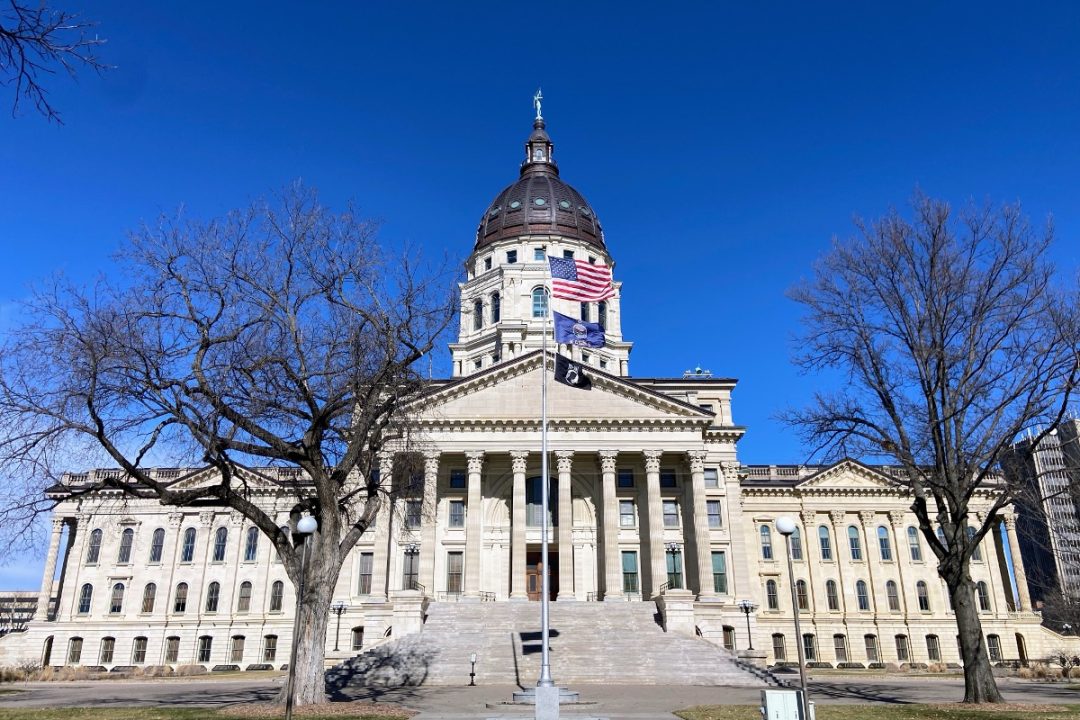
The Kansas Senate approved legislation in February that would have rewarded state employees for exposing fraud, waste, and abuse of taxpayer funds. The bill, Senate Bill 450 (SB450), passed on February 18 by a 33-6 vote, but died in the House Committee on Federal and State Affairs on April 10.
Rewarding Whistleblowers
The proposal, introduced at the request of Senator Michael Murphy (R-Reno County), who has a 67-percent lifetime Freedom Score, sought to encourage state employees to identify financial misconduct and inefficiencies within government agencies. Under the bill, employees whose reports produced verified savings would have received 10 percent of the money saved, after deducting investigation and recovery costs — a percentage that could lead to an astounding payout.
The secretary of administration, working with the Office of Inspector General or the attorney general, would have determined whether a report produced savings. Financial rewards generally would not be available for information already known to authorities, previously disclosed through investigations or public proceedings, or discovered through an employee’s regular auditing or investigative responsibilities. Existing protections under the Kansas Whistleblower Act would have remained in place.
During a February 12 committee hearing, Murphy explained in his testimony that the proposal was modeled after similar incentive programs in the private sector, including one operated by his former employer, United Airlines.
Murphy argued that government employees should have greater personal incentives to safeguard taxpayer funds and identify unnecessary expenditures. He emphasized that responsible stewardship of public money is particularly important, because taxpayers bear the financial burden of government inefficiency.
Debate Over Financial Incentives
Not everyone agreed. Senator Cindy Holscher (D-Overland Park), who holds a 20-percent lifetime Freedom Score, warned that financial incentives could encourage politically motivated accusations and effectively turn government employees into “bounty hunters.” Senator Marci Francisco (D-Lawrence), who holds a 28-percent lifetime Freedom Score, questioned the bill’s lack of a clear definition of abuse of funds.
Unlike Kansas’ existing employee suggestion program, which caps certain cost-saving awards at $5,000, SB450 contained no specific dollar limit on whistleblower rewards. With no caps on monetary rewards, this idea may be a way to make all government employees fiscal hawks, which in turn could potentially greatly reduce spending and, ultimately, the size of government.
Constitutional Accountability and Fiscal Responsibility
The ultimate purpose of government, as outlined in the U.S. Declaration of Independence, is to protect the God-given rights of the people, not squander their hard-earned money. Regardless of the extent that SB450 and its authors are constitutionally minded, there is little debate that exposing fraud, waste, and abuse is essential to restoring accountability and fiscal responsibility. Financial rewards tied to verified savings could encourage employees to uncover misconduct, potentially returning substantial sums to taxpayers.
However, government employees already have a responsibility to safeguard public funds. Any reward system must ensure that its financial benefits exceed its costs, and that innocent employees are protected against unfounded accusations and have their constitutionally protected rights upheld.
Although SB450 failed, its underlying objective deserves continued consideration. Kansas lawmakers should strengthen government transparency, protect legitimate whistleblowers, and eliminate unnecessary expenditures. Ultimately, preventing taxpayer waste requires more than rewarding those who expose it. It requires government to operate within its proper constitutional limits and remain accountable to the people who fund it.
To learn more about how your state and federal legislators vote on issues of constitutional importance, visit The New American’s Freedom Index and state Legislative Scorecards. You can also stay informed about what is happening in your state legislature and in Congress by signing up for legislative alerts here.