
U.S. Must Prepare for War With Russia, Says Intel-linked Globalist
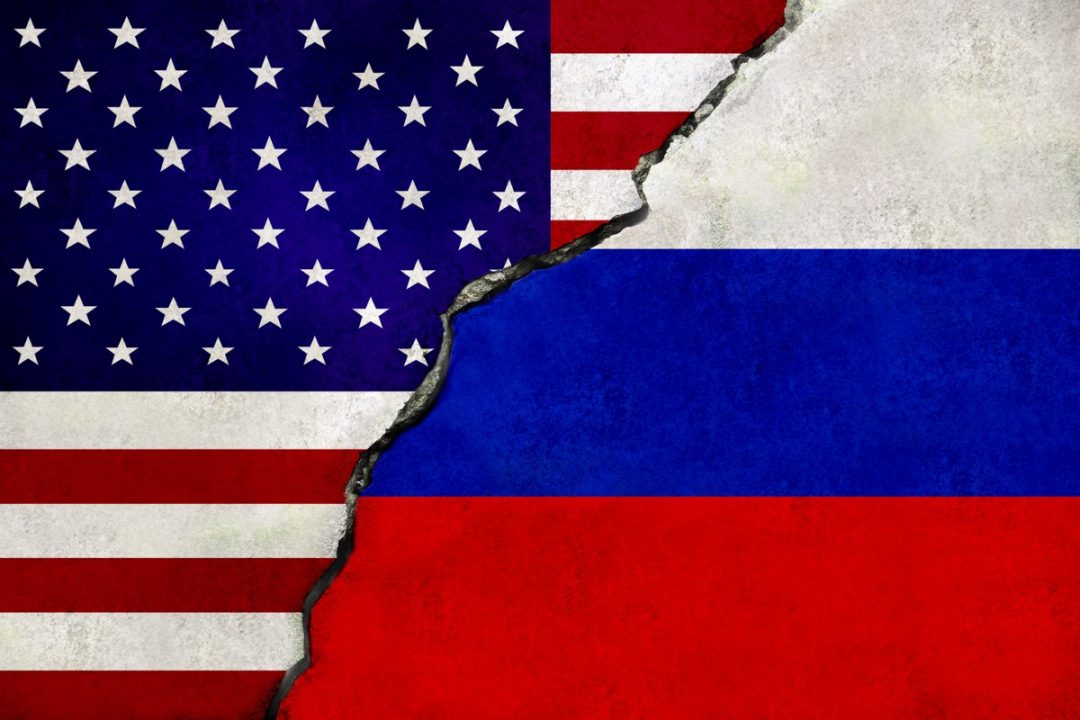
While news reports have focused on the Middle East for most of 2026, the war in Ukraine has intensified and its potential for continental spillover increased. Also, there is evidence suggesting the globalists are fomenting escalation. Writers for the Council on Foreign Relations say that America should prepare to join Central and Western Europe in an eventual war against Russia. A Russian spokesperson recently appeared on a popular American podcast saying that, at this rate, the conflict is indeed heading toward another world war.
State-controlled Russian media reported on Friday that a Ukrainian drone attack killed five Russian civilians and injured another 18. These are the latest casualties resulting from weeks of intense strike exchanges between the Russians and Ukrainians. The day before, Russia hit Ukraine’s capital, reportedly killing 27 and injuring dozens of other civilians.
Ukraine has, by all accounts, ratcheted up the pressure on Russia with effective attacks inside the Motherland that have disrupted energy flow, flights, and civilian life in general. The point of the attacks, Ukraine’s leaders have said, is to bring the consequences of the war to the Russian people with the larger goal of making Russia more amenable during negotiations.
For their part, the Russians have grown visibly frustrated. On Monday, the “merchant of death,” arms dealer Viktor Bout, appeared on Tucker Carlson’s show in what appears to be a proxy plea by the Russians to U.S. leaders to halt all lingering American support for Ukraine and let this war reach its natural conclusion. That conclusion, in Russia’s view, is Ukraine giving up and agreeing to a deal that officially cedes Eastern Ukraine (most of which the Russians now occupy), and one in which Ukraine agrees not to seek NATO membership or allow foreign armies within its borders.
Russia Still a Threat
The globalists writing in Foreign Affairs, the flagship magazine of the Council on Foreign Relations, appear to be pre-programming Western society with the idea that a U.S. war against Russia is inevitable and necessary. One of the articles in the July/August issue is titled “The Next Russia Threat.” The author is Michael Kofman, a Carnegie Endowment senior fellow. He has also been affiliated with the Center for Naval Analyses, an intelligence arm of the U.S. Department of the Navy; and the Woodrow Wilson Center’s Kennan Institute, which is administered by the State Department’s Bureau of Intelligence and Research — a member of the U.S. intelligence community.
Kofman says that even if Russia can’t defeat Ukraine, it “will remain the primary threat in Europe for years to come.” He says this while acknowledging the analysis of sensible people. “There is a sense that Russia’s losses of troops and equipment have left its forces in tatters and that a military incapable of making significant advances in Ukraine can’t possibly threaten Europe,” he writes. (This, by the way, is also the assessment of Washington, that Russia is simply not powerful enough to pose a legitimate threat to the rest of Europe.)
Sooner Rather Than Later
But not so fast. “Current trends suggest that Russia will reconstitute its military enough to pose a major threat faster than analysts expected back in 2022,” says Kofman. So America and Europe should start getting ready for a war with Russia. “As the United States and many European states focus on ensuring Ukraine’s success, they must also think beyond this war and begin preparing for the enduring challenge that Russia poses,” he writes. He emphasizes that America needs to be part of this war: “The enduring threat from Moscow is not one that Washington should readily dismiss or simply hand off to Europeans.”
Kofman even games out the opening days of this desired war. Russia “will retain a traditional focus on firepower, including artillery and precision-strike capabilities, while adding a large number of drone formations to the force,” he writes. “NATO forces remain superior overall but have yet to adapt to some of these changes, which could lead to higher losses in the opening days of a future war with Russia.”
Kofman’s basis for saying Russia will pose a threat to Europe sooner rather than later essentially comes down to what the Kremlin is doing to bolster its military capabilities. “Although they have suffered massive losses, Russia’s armed forces have expanded over the course of the war, and the country’s production of key munitions and weapons systems has increased,” he says. “The future Russian military will have more infantry — reversing prior cuts — and more drone formations to provide fire support or conduct precision strikes.”
The Russians have made no secret of their military buildup. But they claim it’s to prepare for a war that Europe wants, not the Russians.
Poland Next?
While the CFR globalists are fueling a world war on their end, mainstream outlets like Britain’s Telegraph are publishing reports saying that Russia plans to attack Poland. The report says that Washington has passed on multiple intelligence warnings to Warsaw about the potential plot for a Russian attack. The sources are anonymous, making it even more difficult to verify if the report is true or part of a propaganda operation. But it’s worth noting that Bout himself told Carlson this week that Russia sees Poland as a legitimate target. Poland is among a slew of European nations making drones that the Ukrainians are using to hit inside Russia. This is pushing Russia into a corner that leaves them with “no other choice but to start hitting logistic centers in Poland, in Romania, within Germany — within all these countries because they are part of the conflict.”
Message to America
By bringing Bout on, Carlson is obviously laundering a message from Russian leadership to U.S. leadership. And part of that message appears to be a plea by the Kremlin for America to stop interfering on behalf of Ukraine.
“Is there anyway to stop it?” Carlson asked Bout.
“Trump can stop this war very quickly,” Bout replied. He then listed three actions that President Donald Trump could take or effect. First, the United States could turn off Ukraine’s communications. Since Ukraine depends on Starlink for all its communications, “switching it off” would cripple the military, including control of its drone swarms. “All signals — everything goes through Starlink,” said Bout. Secondly, not a single Ukrainian attack would be possible if the U.S. stopped sharing intelligence gathered by American spy satellites. “If these two factors are removed,” Bout concluded, the Ukrainian army would collapse in one day. The “Ukrainian army can only exist when this communication and intelligence are flowing to them,” he said. “The moment it stops, [they’re] just blind. They stop fighting.”
Bout also suggested that Washington halt all weapons deliveries to Ukraine. He said Trump hasn’t halted the delivery of weapons packages left over from the Joe Biden administration. This appears to be true, according to Ukrainian reports.
Lastly, Bout suggested the Trump administration refuse to sell weapons that will go to Ukraine.
World War for World Peace?
It is in the interest of not just Americans, but the entire world, that escalation is prevented. If a continent-wide war breaks out in Europe, the chances are high that the U.S. will be drawn in. Such a war not only would trigger a global economic depression, but could lead to nuclear escalation — likely what the Insiders are flaming. A nuclear exchange is the kind of premise that makes people more open to forfeiting their national sovereignty to a world government that promises world peace. That’s how we got the United Nations.