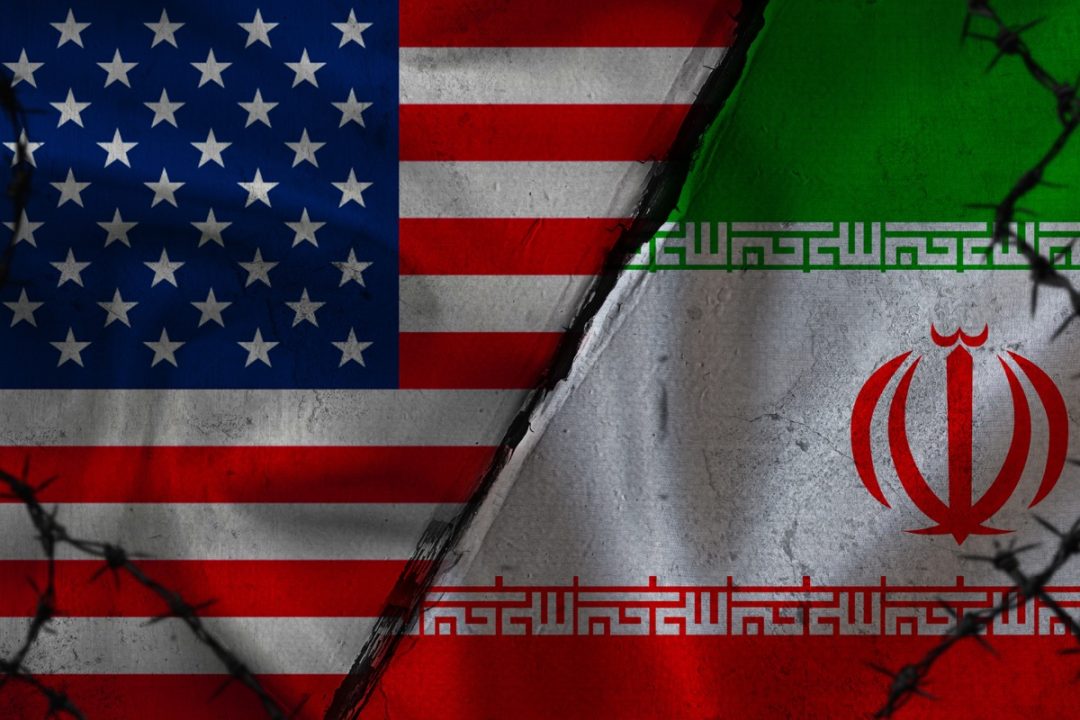
The U.S.-Iran Memorandum of Understanding Has Expired. What Now?
On Monday, August 17, the day that the 60-day Memorandum of Understanding (MoU) between the United States and Iran expired, President Donald Trump said on Truth Social: “The number one Goal is, and always will be, that Iran cannot have, in any way, shape, or form, a Nuclear Weapon.”
The Nuclear Angle
Yet the MoU that Trump agreed to two months earlier did not provide for the removal or elimination of Iran’s enriched uranium. The resolution of that issue was pushed off into the future. Under the MoU, the United States and Iran agreed “to discuss the issue of enrichment, and other mutually agreed matters relating to the Islamic Republic of Iran’s nuclear needs, based on a satisfactory framework being agreed upon in the final Deal.” Moreover, “Pending the final Deal … the Islamic Republic of Iran will maintain the current status quo of its nuclear program, and the United States of America will not impose any new sanctions.” Iran did at least reaffirm in the MoU that it would “not procure or develop nuclear weapons,” but the country has said this in the past.
Iranian Reconstruction
On the other hand, the Trump-signed MoU said that the United States “undertakes, with regional partners, to develop a definitive mutually agreed plan with at least USD 300 Billion, for the reconstruction and economic development of the Islamic Republic of Iran.” If you think that does not sound like an “America First” foreign policy that’s in harmony with a “Make America Great Again” agenda, you are not alone. It sounds more like a “Make Iran Great Again” agenda, doesn’t it?
But the MoU — which was supposed to permanently terminate hostilities — is now formally dead, although it had already been declared dead weeks ago by both the United States and Iran because of the resumption of hostilities that occurred soon after it was signed. So what now?
Trump Claims the Strait of Hormuz
On August 12, Trump claimed in a Truth Social post that the United States “has total control over the Strait of Hormuz,” and added in all capital letters, “I THINK WE WILL KEEP IT!” Two days later, in a speech, he said that “pretty soon” he’ll “be declaring the Hormuz Strait a territory of the United States.” And four days after that, on August 18, he posted on Truth Social a map showing the Strait of Hormuz circled under the heading “NEW U.S. Territory.” Is he joking?
On August 17, Fox News posted the following “breaking” story on X based on an interview with the president:
BREAKING: President Trump tells @TreyYingst he’s in “no hurry” as a backchannel with Iranian Revolutionary Guard officials remains open despite Tehran’s public defiance.
Trump says Iran is dying and playing its hand like a good poker player, projecting strength publicly while facing mounting pressure behind the scenes. His message is that Iran should wave the white flag.
And he delivers a stark warning to Oman: “If Oman gets in the way, we’ll bomb the s— out of them.”
That’s quite a threat to make against a country that has long been considered an ally of the United States in the Middle East. But Oman has incurred Trump’s wrath because it has been negotiating with Iran about the Strait of Hormuz.
So, is “Iran dying and playing its hand like a good poker player”? Is Trump bluffing with his verbal threat against Oman? And is he playing the “joker” card by claiming he’ll soon make the Strait of Hormuz an American territory? After all, the United States has no claim to the strait, and under the U.S. Constitution it would not be the president’s decision to make anyway.
Tragic Interventionism
But the ongoing war with Iran is no joking matter. As of this writing, almost six months after what was supposed to be a quick military operation began, there does not seem to be any end in sight. The Iran War has become another tragic example of the follies of U.S. foreign military interventionism in the Middle East — and another important reminder of the wisdom of America’s Founding Fathers to adhere to a noninterventionist foreign policy and avoid interjecting ourselves into the quarrels of other nations.
This article is part of The New American’s weekly online newsletter Insider Report, which is emailed to TNA subscribers each week. Click here to subscribe to The New American to receive the Insider Report and access exclusive content.