
Russia Threatens Britain As CIA Chief Returns From Moscow
The head of the CIA visited Moscow this week, fanning speculation that something kinetic is afoot between Russia and the West. Fresh comments from Russian officials have only added fuel to that fire.
President Donald Trump confirmed to Glenn Beck that CIA Director John Ratcliffe went to Russia, but denied some of the most common theories about the purpose for the visit. Beck asked the president to address the rumors that have been swirling, which include: that President Vladimir Putin is going to attack Baltic NATO nations, that Russia is going to strike England, and that Ratcliffe told Russia not to intervene on behalf of the Iranians as the U.S. tries to squeeze them with sanctions.
Trump said Ratcliffe’s trip had nothing to do with any of those things, and made it sound as if the sole reason was to end the war in Ukraine.
Trump also said Ratcliffe visited on a “semi-routine” trip. But these types of trips, as far as we can tell, are not common. This is the first such known trip by any CIA director under Trump.
Politico’s Report
A Politico report published Wednesday says Ratcliffe went to Russia to discuss exactly the issues Trump said were not discussed. According to the report, which cites three anonymous sources, “Ratcliffe warned Russian officials in Moscow this week not to escalate conflict with America’s NATO allies, in particular Estonia, Latvia and Lithuania, in response to Moscow’s stalemated invasion of Ukraine.” He also told the Russians to stop supporting Iran. “Ratcliffe conveyed a desire for Moscow to stop sharing weapons and defense technology with Iran and advised Moscow against ‘overreacting’ if it is affected by the sanctions.”
Spokespeople for the CIA and the embassies of Estonia, Lithuania, and Latvia didn’t respond to Politico’s request for comment.
It’s hard to tell if the Politico report is accurate or if it’s intel misinformation. But talk of Russian escalation has been rampant, and it has been coming from both Western and Russian media ecosystems.
Russia vs. the U.K.
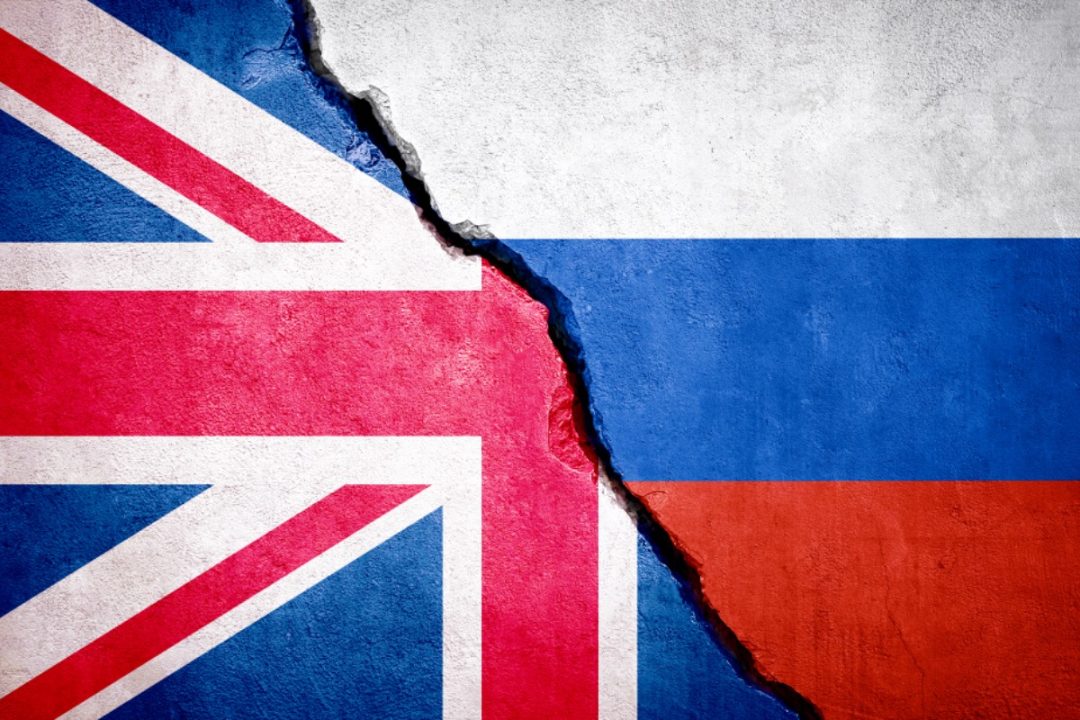
Tensions between the U.K. and Russia have spiked above their already-normal feverish degree. Just today, Foreign Ministry official Maria Zakharova suggested Russia may respond to Ukrainian attacks that include the use of British missiles by striking British military bases in Ukraine “or abroad.” She said the Brits are directly involved in the war because they’re supplying Kiev with Storm Shadow missiles. “The Storm Shadow story is literally the quintessence of London’s involvement in the Ukrainian conflict,” she said.
The Brits are also planning to help Ukraine obtain other types of missiles. U.K. Prime Minister Andy Burnham said he will give Ukraine classified blueprints to produce a variant of its Storm Shadow long-range cruise missile called SCALP, the French variant of Britain’s Storm Shadow.
The Russians are so angry with the Brits that they pulled their ambassador to the United Kingdom out of the country.
Earlier this week, the state-run Russian media organ RT published an article titled “How close are Russia and the UK to war?” The article does nothing to temper tensions. It notes how the Brits have been supplying Ukraine with weapons since the beginning of the war, including drones and the aforementioned missiles. It also repeats the common belief that it was former Prime Minister Boris Johnson who intervened to smash a working peace deal between Russia and Ukraine early in the war.
Earlier this month, the Russians warned London that “the deeper its involvement in the conflict and the greater its support for Kiev’s terrorist machinery, the higher the price it will pay.” On August 17, Russian Foreign Minister Sergey Lavrov said Russia has “every right to regard the proudly proclaimed direct involvement of British missile forces in strikes against Russia as participation in the war, with all the consequences that entails.” Later that day, the British prime minister said the U.K. would continue “to support Ukraine 100%.”
RT, presumably speaking in alignment with Russian decision makers, says that pulling the ambassador is not a sign that war is coming. However, giving Kiev weapons is a different matter. “Open UK intervention in Ukraine could trigger a cataclysmic, and likely nuclear, conflict between Russia and NATO.” The article ends with a warning:
However, should the UK continue supplying long-range missiles and drones to Ukraine, and should these munitions be used to kill Russian civilians, Russia is running out of diplomatic means of deterring London. Britain has scoffed at every polite warning from Moscow to date, but with [the ambassador] office vacant, there are fewer civilized options available to Russia.
The Russians have grown increasingly frustrated as the war in Ukraine has hit a ground stalemate and Kiev’s drone attacks on Russian infrastructure have grown increasingly effective throughout the year. Kiev has hit Russian oil refineries, energy-export infrastructure, and missile-production factories. Meanwhile, Russia has been pounding the Ukrainian capital with missiles.
Preparing for War
On the British side, the government is warning citizens to prepare. On Tuesday, the British newspaper The Guardian published a report saying the U.K. government is telling citizens to stock up on food and be prepared for national emergencies. Emergencies may be induced by the climate or by a “hostile nation,” according to the report. Government plans “include an internal reassessment of government preparations for a military attack by a hostile state affecting Britain.” The article suggests the hostile nation the U.K. government has in mind is Russia.
Should a full-blown war between Russia and the U.K. erupt, it would likely draw in additional NATO nations. Europe has been preparing for another world war since Russia invaded Ukraine. Germany has been increasing military spending and beefing up weapons production for at least two years. Several Scandinavian countries have been drilling and boosting their military capabilities. Poland has increased its per capita military spending more than any other NATO nation.
But the war would probably not be contained to European nations. In fact, it’s already spilled over. North Korea has been providing troops to Russia for some time now. And the United States is still a member of NATO, an alliance that compels collective defense among member states. The United States will be pressured and expected to enter the fight. And, as we’ve seen with the unpopular war against Iran, what the American people want and what our leaders do are not the same thing. So it probably won’t matter if Americans want to stay out.
Excuse for World Government
A war of this magnitude risks the obvious: nuclear exchange. The Brits have nukes, as do the North Koreans. Russia, of course, is reputed to have the most nuclear weapons of any country in the world.
A nuclear exchange, aside from its devastating impact on people and the environment, would provide the globalists with an excuse to pitch the same answer to war they pitched after both world wars in the 20th century: world government. And given the destruction that this hypothetical nuclear exchange would bring about, people would be so desperate for order and security that they’d capitulate. So it is in the interest of every person who wants to live free that the war in Ukraine wrap up as quickly as possible.