
Trump Pushes “Clean” FISA Reauthorization as Deadline Nears
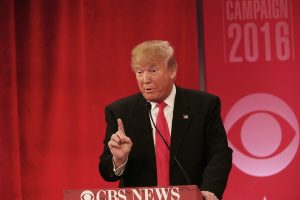
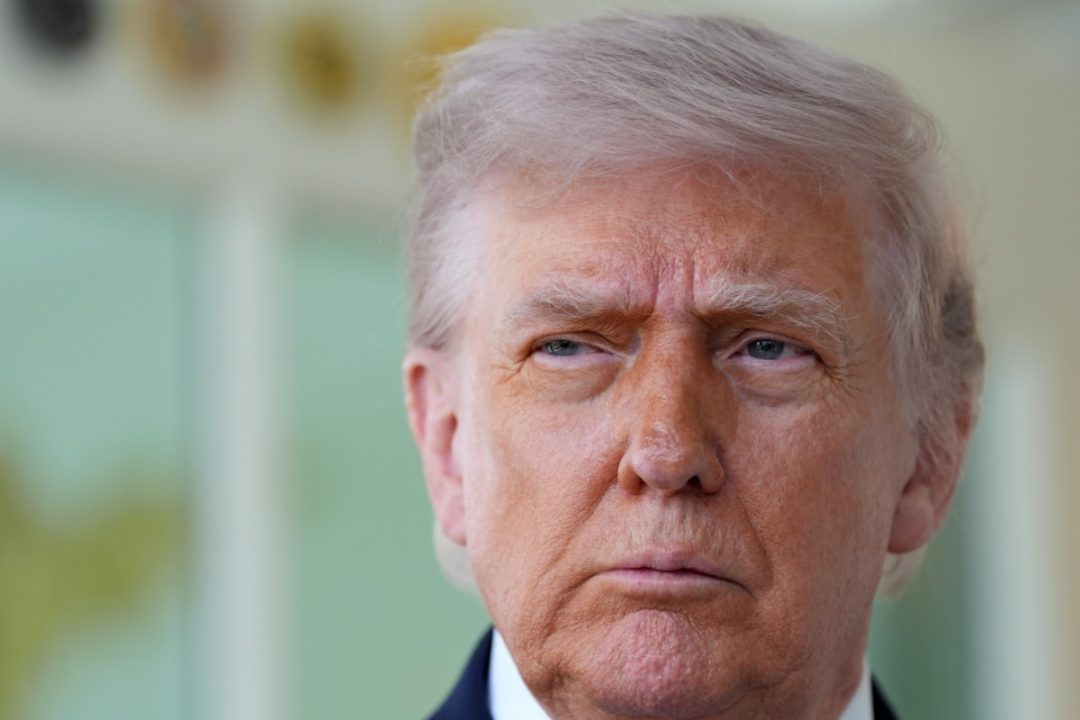
President Donald Trump, who just two years ago called on Congress to “KILL FISA,” is now pushing for its extension as a deadline looms next Monday.
The shift is striking. House Republicans are divided. Some are seeking to attach the reauthorization to the SAVE America Act, an unconstitutional proposal that would expand federal control over elections. Others insist on stronger privacy protections for Americans, most notably the warrant requirements.
The president, however, is pushing what he calls a “clean” extension of Section 702, the FISA provision that lets the government collect foreign intelligence without a traditional warrant and then search communications that often sweep in Americans.
“UNIFY” to “Keep It Clean”
Trump made his position clear in a lengthy post on Truth Social on Tuesday. The tone was familiar, but the conclusion was not. Trump wrote:
I am working very hard with our Great Speaker, Mike Johnson, along with Chairman Jim Jordan and Chairman Rick Crawford, to get a clean extension of FISA 702 through the House of Representatives this week.
Representative Mike Johnson (R-La.), as Speaker of the House, controls what comes to the floor and when. He manages the legislative calendar and must secure enough votes to pass the measure in a chamber with little room for defections. Representative Jim Jordan (R-Ohio), once a fierce critic of warrantless surveillance under Section 702, oversees the Judiciary Committee, which handles constitutional and legal questions tied to surveillance. Representative Rick Crawford (R-Ark.) leads the Intelligence Committee, which is responsible for overseeing national security programs like FISA.
As the measure moved through the House Rules Committee, the president urged:
I am asking Republicans to UNIFY, and vote together on the test vote to bring a clean Bill to the floor. We need to stick together when this Bill comes before the House Rules Committee today to keep it CLEAN!
FISA 702 Is “VITAL”
Trump acknowledged past abuses, reminding that FISA was used against his 2016 campaign. He pointed to what he called the “worst and most illegal abuse” in U.S. history, also criticizing former FBI Director James Comey. Yet the president drew a distinction, arguing that those abuses involved Title I surveillance, not Section 702.
FISA Title I targets specific individuals inside the United States and requires a warrant from the FISA Court. Section 702, by contrast, authorizes warrantless surveillance of foreign targets abroad, with Americans’ communications also being collected. Trump is now treating that distinction as sufficient, despite the comprehensive record of abuses tied to Section 702 itself.
He framed the issue in strategic terms. The military “desperately needs FISA 702,” he said, calling it “VITAL” and claiming generals support it without exception. He tied it to battlefield “success,” including in the unconstitutional war against Iran.
The president also made a revealing concession:
While parts of FISA were illegally and unfortunately used against me … I am willing to risk that as a Citizen in order to do what is right for our Country.
In plain terms, Trump cast individual liberty as secondary to state power and the illusion of safety.
White House Pressure
Trump did not stop at public messaging. He moved to direct pressure. According to Politico, he invited Republican “holdouts” to the White House for a private meeting on Tuesday night. A senior White House official told the outlet that Trump was calling House Freedom Caucus members and other skeptics in to press them on reauthorizing the surveillance program.
The Freedom Caucus is the House GOP’s hard-line conservative bloc. By the caucus’s own current roster, it has 32 members. About a dozen refuse to toe the party line:
More than a dozen House GOP holdouts have expressed opposition to the extension, citing concerns that the law undermines Americans’ privacy if their data is inadvertently swept up while the U.S. government is collecting text and emails of foreigners abroad.
The goal of the meeting was clear: Trump wanted to lock down enough votes, or at least enough procedural support, to move the bill forward.
The White House strategy is focused. Officials are emphasizing that the extension would last only 18 months. They are also arguing that privacy protections have improved since the last authorization.
The administration is also deploying other voices. CIA Director John Ratcliffe — a supporter of FISA — is expected to brief House Republicans. Joint Chiefs Chair General Dan Caine has already urged Congress to act. In a Monday letter, he described Section 702 as critical to U.S. warfighters.
Politico followed up with a report that House GOP leaders made progress Tuesday night. They “successfully paved the way” for a key procedural hurdle:
Republican Reps. Morgan Griffith of Virginia, Ralph Norman of South Carolina and Chip Roy of Texas ultimately agreed not to block steps inside the House Rules Committee to tee up a floor vote….
Still, the outcome is not guaranteed.
The Split House
The House is far from unified. Opposition runs through both parties, but the most consequential resistance is inside Trump’s own conference.
Representatives Andy Biggs and Eli Crane, both of Arizona, filed an amendment in the committee to require a warrant for U.S.-person queries. In early March, they introduced the Protect Liberty and End Warrantless Surveillance Act of 2026. That measure would formally establish warrant requirements and prohibit the government from purchasing Americans’ personal data, such as location information and online activity, among other provisions.
The Associated Press reported that “several” other Republicans also continue to push for privacy protections, with warrant requirements at the center.
But the divide is not just about substance. It is also tactical.
Some conservatives want to attach FISA to the SAVE America Act, turning the vote into a broader election fight. That approach would almost certainly kill the bill in the Senate. “I think FISA dies unless SAVE America is attached. Period,” Representative Anna Paulina Luna (R-Fla.) told The Hill.
Others are taking a narrower approach. One proposal, backed by Biggs and others, would cut the extension from 18 months to just one year, forcing Congress to revisit the issue sooner while continuing to press for reforms.
At the same time, the Democratic position is shifting. Some Democrats, such as Representative Jamie Raskin from Maryland, the ranking member of the House Judiciary Committee who previously supported Section 702, are now calling for tighter constraints under a Republican administration. That shift comes amid concerns over the Trump administration’s expanding “domestic terrorism” directives, which extend surveillance and enforcement authorities into a broader range of political, economic, and ideological activity and speech.
That leaves Mike Johnson in a bind. According to Axios, he can afford to lose only two Republicans on a procedural vote that is taking place today.
Related:
FISA Section 702 Nears Expiration As Congress Considers Warrant Requirements